What Plants Do Rabbits Avoid Eating Most?
I still remember that morning when I found my favorite hostas chewed down to nothing overnight. Being a gardener for years, I’ve worked hard on my backyard paradise and figured out through lots of tries how to keep rabbits from eating plants while still being kind to these cute but pesky animals. The real trick is getting how rabbits act and using several methods together – like repellents, barriers, and picking the right plants. I want to share the best ways to deter rabbits that stopped my garden from turning into their personal buffet.
Table of Content
Let’s first understand how rabbits behave and what they like to eat
So why do rabbits go after specific plants in your garden?
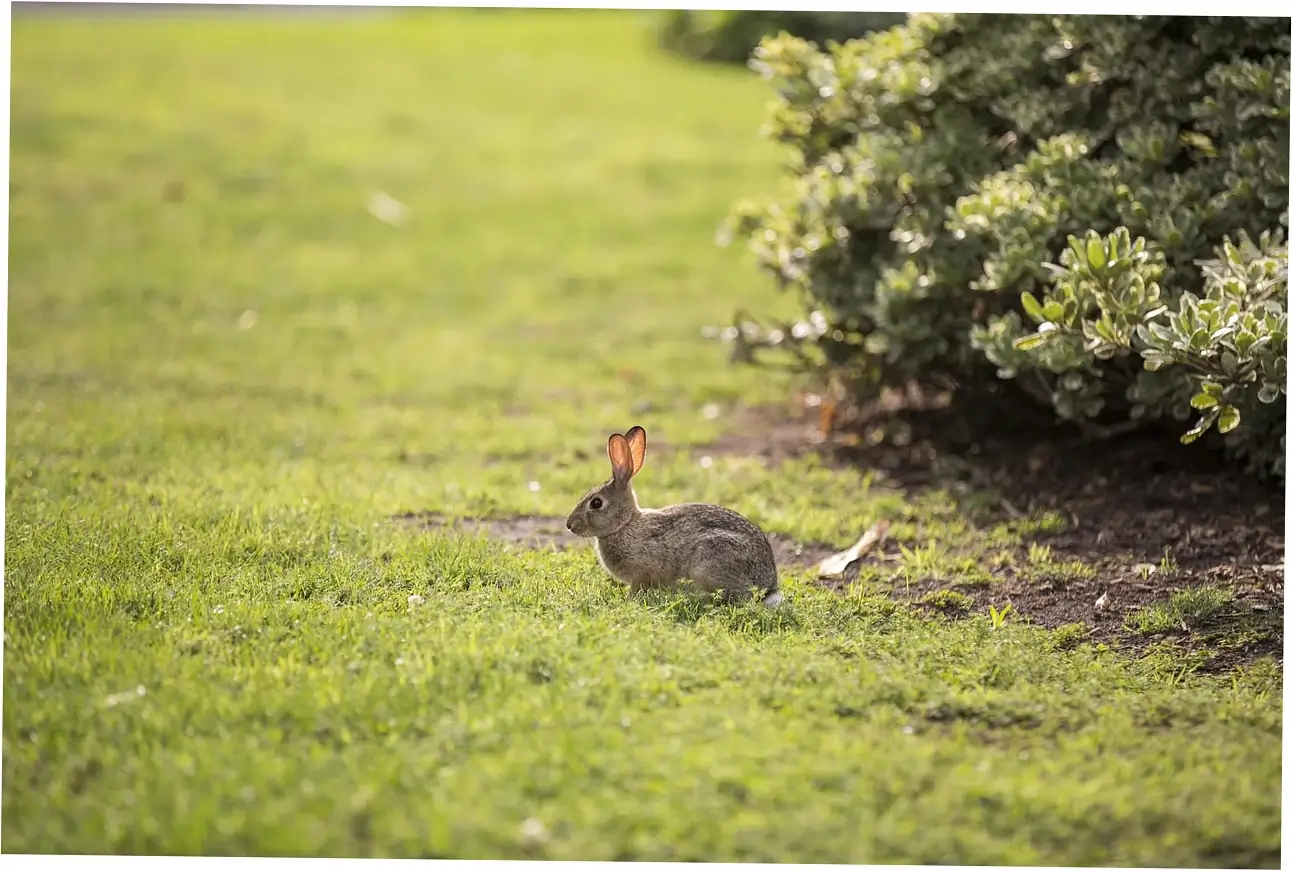
Here’s the thing about rabbits – they’re creatures of habit and pretty picky eaters Knowing what draws them to your garden is your first step to keeping rabbits from eating plants They really go for tender young shoots, juicy vegetables, and some favorite flowers Research shows rabbits love beans, broccoli, and lettuce for veggies, and tulips and pansies for flowers They stick to familiar paths near cover, so plants by fences or shrubs get hit hardest I’ve found rabbits skip plants with strong smells, fuzzy leaves, or milky sap – that really changed how I plant.
Rabbit problems change a lot with the seasons Spring is worst – natural food’s scarce, rabbits are breeding, and garden damage spikes Summer offers more food choices.
but fall brings heavy feeding as rabbits get ready for winter My garden notes show March to May brings about 70% of yearly rabbit damage Knowing these patterns helps me time my best rabbit protection for when risk is highest.

How to spot rabbit damage
First, learn to tell rabbit damage from other pests Rabbits make clean, angled cuts around 45 degrees, not the ragged tears from insects or deer In winter, they chew bark off young trees, leaving tooth marks about 1/8 inch wide If you see pea-sized droppings near chewed plants, that’s definitely rabbits Also look for worn paths through plants leading to feeding spots – they keep these trails neat.
Setting up simple monitoring catches rabbit activity early I sprinkle flour around plants to see footprints, or use motion cameras to catch feeding times Experts say check plants daily in peak season.
especially new growth and tender seedlings Track damage patterns to learn which plants rabbits love most in your garden, so you can protect their favorites better.

Physical Barriers and Fencing Solutions
Effective Fencing Installation
If you want to keep rabbits out, good fencing is your best bet. Use chicken wire that’s 2 feet high with small holes, about 1 inch or less. Bury the bottom part 3-6 inches deep and bend it outward to stop them from digging under. Research from Michigan State University shows this setup stops 98% of rabbits from getting in if you keep it in good shape. I’ve learned that putting an electric wire 4 inches off the ground gives you extra protection against really persistent rabbits. Keep your fence at least 2 feet away from your plants so rabbits can’t reach through the wire.
| Material Type | Effectiveness | Cost | Durability |
|---|---|---|---|
| Chicken wire (1) | Excellent | Low | 3-5 years |
| Hardware cloth (1/4) | Superior | Medium | 5-8 years |
| Plastic mesh | Good | Low | 2-3 years |
| Electric netting | Excellent | High | 4-6 years |
Here’s a good tip: put up your fences before planting season starts so the boundaries are set early. I like to build double fences around my veggie garden with space between them to make jumping harder.
It’s really important to check regularly for gaps or dirt washing away under the fence – I look mine over every week when rabbits are most active. To protect single plants.
I use store-bought tree guards or make my own cylinders from hardware cloth for young trees and shrubs. Make sure they’re tall enough to stick up above the snow so rabbits can’t nibble in winter.
Protecting Individual Plants
Plant cages work great for special plants or small gardens – they give you focused protection. I build simple cages from hardware cloth or wire mesh that totally surround delicate plants, but leave them space to grow. These cages work especially well for keeping new seedlings safe until they get established. Make your cages tall enough for the full-grown plant and anchor them well to the ground. In my rose garden, I use pretty wrought iron cages that protect the plants while still looking nice.
Young trees need extra care because rabbits can chew all the way around them in winter. I wrap tree trunks with store-bought guards or 1/4-inch hardware cloth, making sure the protection goes at least 2 feet above where I expect the snow to be.
The guards need to be loose for the tree to grow, but tight enough so rabbits can’t squeeze between the guard and trunk. I take off and readjust these protections every year so they don’t get too tight as the tree gets bigger.
Natural Repellents and Deterrents
Homemade Repellent Recipes
You can make a simple garlic and pepper spray with stuff you already have at home. My best recipe uses two chopped garlic bulbs, two tablespoons of cayenne pepper, and one tablespoon of dish soap – just let it sit in two quarts of hot water for a full day. After straining, spray it right on your plants and put more on after it rains. The University of Vermont says these pepper sprays really work to keep rabbits from eating plants if you use them regularly. I’ve noticed that adding some fish emulsion makes it work even better, though the smell can be pretty strong for some people.
Egg-based solutions: Another good homemade rabbit repellent is just two eggs mixed into a gallon of water that you spray on plants. When the eggs break down, they release sulfur compounds that smell bad to rabbits.
I usually spray this egg mixture every week when rabbits are eating the most, but don’t use too much or you might attract other pests. To get the best results, switch between different repellents every few weeks so rabbits don’t get used to one type.

Commercial Repellent Options
Repellent types: Store-bought rabbit repellents come in two main types: ones that smell bad and ones that taste bad. Smell repellents use rotten egg solids, garlic oil, or predator pee to scare rabbits away, while taste repellents with Bitrex or thiram make plants taste awful. I’ve had great luck with ammonium soap products because rabbits hate both the smell and taste. According to the National Gardening Association, store-bought repellents work 80-90% of the time if you follow the directions and reapply when needed.
| Active Ingredient | Type | Duration | Rain Resistance |
|---|---|---|---|
| Putrescent egg solids | Odor | 2-4 weeks | Moderate |
| Thiram | Taste | 4-6 weeks | Good |
| Ammonium soap | Odor/Taste | 2-3 weeks | Poor |
| Capiscum | Taste | 1-2 weeks | Poor |
Application strategies: How you apply the repellent really affects how well it works. Put it on during dry weather when it’s not freezing, making sure to cover all parts of the plant.
I use a pump sprayer to cover plants evenly and put little flags to remember when I last sprayed. Start using repellents before rabbits start eating your plants and keep reapplying on a regular schedule. When it rains a lot, I spray more often since the rain washes the repellent away.
Rabbit-Resistant Planting Strategies
Plants Rabbits Typically Avoid
Here’s a smart trick: use plants rabbits don’t like to eat, and your yard becomes much less tempting to them. I’ve tried different plants myself and checked Cornell’s research too, and found some types rabbits really stay away from. They don’t like smelly herbs like lavender, rosemary, and mint. They avoid fuzzy plants such as lamb’s ear and Russian sage. And they steer clear of plants with milky sap like milkweed and euphorbia. In my garden, ornamental onions and daffodils work really well. Rabbits always walk right past them to find something they like better.
You can use these rabbit-resistant plants as a protective barrier around the plants rabbits love to munch on. I put catmint, salvia, and peonies around my veggie garden, and it’s really cut down on rabbit visits.
The Missouri Botanical Garden suggests mixing plants rabbits like with ones they don’t, which messes up their eating routine. From what I’ve seen, this works best when about a third of your plants are the rabbit-resistant kind, and you spread them throughout your garden instead of just around the edges.
Companion Planting Techniques
Another good method is companion planting, where you team up plants to protect the ones rabbits find tasty. I plant lettuce next to onions or garlic, and the strong smell hides the lettuce from rabbits. Marigolds scattered through your vegetable garden help too. I’ve noticed French marigolds work better than the African kind. Studies on companion planting show that strong-smelling herbs like oregano, sage, and thyme mixed in with your veggies create confusing smells that put rabbits off their dinner.
How you arrange your garden can also keep rabbits away from their favorite snacks. I put plants rabbits love, like beans and peas, near the house or in raised pots. Then I plant the stuff they don’t like around the garden borders.
When you mix lots of different plants together instead of planting just one type, rabbits have a harder time finding what they want to eat. One trick that’s worked for me is planting some clover or alfalfa at the edge of the garden as a sacrifice. Rabbits munch on that instead of my good plants.
Habitat Modification and Scare Tactics
Making Your Garden Less Inviting
First up, let’s talk about habitat adjustments. You want to change your garden setup so rabbits just aren’t that into it. Rabbits love spots where they can hide quickly. Get rid of brush piles, block off spaces under sheds, and keep your grass short – that takes away their favorite hiding places. I put a 3-foot border around my garden with gravel or wood chips. Rabbits really don’t like walking across that stuff. The experts at Penn State say to clear out weeds and thick groundcovers near your garden. Those give rabbits food and shelter, which just makes them want to stick around.
Now, you’ve got to change your approach with the seasons because rabbit habits shift throughout the year. In winter when food’s hard to find, I add extra protection for bark and evergreen plants. Come spring, you need to be extra watchful.
That’s when baby rabbits show up and plants sprout tender new growth that rabbits love. Summer’s when rabbit numbers are highest, so keeping up with repellent applications is super important.
In fall, get ready by adding more protection for plants that’ll stay through winter. Put taste repellents on woody plants before the rabbits start munching.
Scare Devices and Motion Activators
Now let’s talk scare tactics – visual and sound deterrents can give you a break from rabbits, but only for a while. I’ve tried plastic owls and shiny tape with mixed results. The rabbits eventually figure out they’re not real threats. Motion-activated sprinklers work better in my experience. They surprise rabbits with sudden sprays of water. University tests show ultrasonic devices are hit or miss. Some keep rabbits away briefly, others don’t do much at all. The trick with scare devices is to move them around often and use several different types together.
Bringing in natural predators is another way to handle your rabbit problem. I put up perches to draw in hawks and owls. I also keep some brush piles away from the garden to give them hunting spots.
Having dogs around can scare off rabbits, but they need to patrol regularly to really work. Those predator urine products you can buy do help for a short time when you spread them around your garden’s edge. Just know you’ll need to reapply them often, especially after it rains.
Integrated Pest Management Approach
Combining Multiple Strategies
Here’s the thing about keeping rabbits away – using just one method doesn’t cut it. You’ll get way better results when you layer different approaches together. I like to think of it like an onion – you want multiple layers of protection that build up to really keep rabbits out. So you could put up a fence around your garden, plant rabbit-resistant flowers along the edges, use cages for your most tempting plants, and spray repellent regularly. Even the USDA experts say mixing different control methods works much better than just doing one thing alone.
Keep an eye on what’s working and be ready to switch things up when needed. I just use a simple notebook to jot down where I see rabbits, what plants they’re munching on, and which tricks are actually working.
This helps me figure out what combo works best in my yard and when I need to step up my game or ease off a bit. Like if rabbits keep coming despite what I’m doing, I might throw up some temporary electric fencing or spray repellent more often until they back off.
Environmentally Responsible Control
When you’re dealing with rabbits, you want to be kind to the environment and not hurt other animals. I try not to harm the rabbits unless I absolutely have to – I’d rather just keep them away from my plants. When I do use repellents, I pick ones that won’t hurt the good bugs and worms in my soil. The bug experts say skip the harsh chemicals that hurt bees and butterflies – go for natural plant-based repellents or physical barriers instead.
Think long-term rather than looking for quick fixes that won’t last. Over time, I’ve planted more stuff rabbits don’t like to eat, while keeping my main fences and barriers in place.
This means less work for me overall, though I can still grow the plants rabbits love if I protect them well. You’ve got to accept that rabbits will nibble some plants – that’s just gardening. Wiping them out completely isn’t really possible or good for nature.
Keeping rabbits from eating your plants takes some patience and using several different tricks – barriers, repellents, and planting smart. The approaches that work best change with the seasons and how many rabbits are around.
plus they keep your garden looking nice. Don’t try to get rid of every single rabbit – that’s not realistic or good for the environment. Just manage the problem. I’m curious – what’s worked in your garden to keep rabbits away?
Drop your rabbit control stories in the comments, or take a look at our guide for making pretty gardens that rabbits leave alone.
Here are some common questions people have about keeping rabbits away
What works best to keep rabbits out of your veggie garden?
Fences are your best bet for protecting vegetable gardens. Use chicken wire with 1-inch holes and bury it about 6 inches deep – that stops most rabbits from getting in. For sprays, look for ones with rotten egg smell or hot pepper ingredients. They work well if you keep applying them regularly. Lots of gardeners make their own sprays with garlic and peppers. Just know you’ll need to spray more often, especially after it rains.
What about those ultrasonic devices – do they actually work on rabbits?
University studies show these sound gadgets give mixed results. Some people see rabbits leave at first, but research shows the animals get used to the noise pretty quickly. The sound devices might help a bit if you use them with other tricks like scare tactics and cleaning up their hiding spots. But don’t count on them as your main defense.
Are there any flowers that rabbits won’t touch at all?
Rabbits usually steer clear of plants that smell strong, have fuzzy leaves, or are poisonous. Good options include lavender, salvia, catmint, peonies, daffodils, foxglove, iris, and Russian sage. But when rabbits get really hungry, they might nibble on these plants too, especially if there’s not much else to eat.
How high do rabbits jump, and what kind of fence will stop them?
Most rabbits can jump about 2 feet high, though some super jumpers can make it over 3 feet. A 2-foot fence usually does the trick, but if you angle the top outward or add a wire, that stops the determined jumpers. If you want to be totally safe, go with 3-foot fencing. This works best against cottontails, since they’re known for their jumping skills.