Calico Cat Lifespan: How Long Do They Live?
Calico cats aren’t actually a specific breed – they’re known for their unique tri-color coats featuring orange, black, and white patches. This cool color pattern can show up in lots of different cat breeds. So what everyone really wants to know is: how long do these pretty patterned cats usually live? Most calico cats live around 12 to 16 years, but that’s just an average. Their actual lifespan depends on lots of things like their genes, where they live, and what kind of vet care they get. Knowing what affects how long they live helps you take better care of your colorful furry friend.
Table of Content
Factors Influencing Calico Cat Lifespan
Genetic and Biological Factors
Genetic makeup: A calico cat’s genes really affect how long they live. Most calicos are girls because they need two X chromosomes to get those orange and black patches. This means they can inherit health problems from whatever breeds they come from.
Like, a calico with Persian roots might get kidney disease, while one with Maine Coon blood could develop heart issues. Knowing their breed background and doing genetic tests can help you watch out for these health problems.
Chromosomal influence: The same X-chromosome thing that makes them calico can also affect their health. Girl calicos have different immune systems and hormones than boy cats, which makes them more or less likely to get certain sicknesses.
And those super rare boy calicos – only about 1 in 3,000 – usually have Klinefelter syndrome, which brings extra health issues that can shorten their lives.
Environmental and Care Factors
Living conditions: Where your calico lives – inside or outside – makes a huge difference in how long they’ll live. Indoor calicos usually live much longer, like 15 to 20 years.
but outdoor ones only make it 2 to 5 years because of all the dangers outside. Outside, they face cars, predators, diseases from other cats, and maybe even poisoning.
Make your home fun with cat trees, scratching posts, and toys – this keeps indoor calicos happy and healthy while keeping them safe from outdoor risks.
Nutrition and exercise: Feeding them the right food for their age and health is key to helping them live longer. Keeping them from getting overweight is really important since obesity can cause diabetes.
arthritis, and heart trouble, cutting their life short by years. Watch their portions, give them good protein, and play with them regularly to keep them in shape. Here’s a guide to how much your calico should weigh:
| Body Type | Weight Range | Health Considerations |
|---|---|---|
| Small Frame | 7-9 pounds | Maintain lean muscle mass |
| Medium Frame | 10-12 pounds | Monitor food intake carefully |
| Large Frame | 13-15 pounds | Regular joint health checks |
Average Lifespan Statistics and Records
Typical Lifespan Range
Standard longevity: If you take good care of your indoor calico cat, she’ll usually live around 12 to 16 years. With proper care, many even make it to their late teens. That’s pretty standard for domestic cats, whether they have short or long hair.
The coat color itself doesn’t really affect how long calico cats live. But different cat breeds that often have calico coloring might live longer or shorter lives. Take calico American Shorthairs – they can live 15 to 20 years.
Meanwhile, calico Persians usually stick around for 12 to 17 years. What really helps calico cats live longer? Regular vet visits, good food, and preventive care – that’s what gives them their best shot at a long life.
Documented extremes: Most calico cats live within that normal range, but some real superstars have blown past those numbers. The record holder was a calico from Texas named Nutmeg – she made it to 32 years old!
Then there was Puss from England, another famous calico who lived an amazing 36 years. These super seniors show what’s possible when cats get top-notch care, good genes, and a safe home environment.
All these record-breaking cats lived indoors, ate well, and saw their vets regularly throughout their lives.

Breed-Specific Longevity Variations
Breed impact: Since calico is just a color pattern, not a breed, how long they live really depends on their breed background. You’ll find calico coloring in lots of different breeds, and each breed has its own typical lifespan and health tendencies.
A calico Siamese mix might live 15 to 20 years, but a calico Manx might only make it 8 to 14 years because they can have spine problems. If you know what breeds are in your calico’s background, you can watch for health issues she might develop as she ages and take steps to prevent them.
Mixed breed advantages: Here’s something cool – mixed breed calicos often get what’s called hybrid vigor, which means they might outlive purebred cats.
That genetic mix helps protect them from inherited health problems that purebred cats sometimes face. Research in the Journal of Feline Medicine and Surgery showed mixed breeds typically live about 14 years, while purebreds average around 12.5 years.
This mixed breed advantage works well for calico cats, since their diverse genes give them better protection against some inherited diseases.
Health Considerations for Calico Cats
Common Health Issues
Calico cats themselves don’t have pattern-related health issues, but different breeds with this coloring can have their own health problems. Take calico Persians – they often get breathing troubles and kidney disease.
Meanwhile, calico Maine Coons might develop hip issues or heart problems. Getting regular checkups for your cat’s specific breed helps catch these problems sooner.
Also, research shows orange female cats – and that includes most calicos – might feel pain differently and process medicines in their own way. So vets need to watch them closely during treatment.
When it comes to urinary health, calico cats – especially the girls – tend to have more bladder problems. FLUTD can hit any cat, but stress makes it worse.
And we all know about tortitude – that feisty calico personality that can sometimes mean more stress. Keeping your calico well-hydrated really helps their urinary health.
Try wet food, water fountains, and always having fresh water available. Here’s a simple guide for keeping tabs on your adult calico’s health:
| Cat’s age | Vet visits needed | Tests to get |
|---|---|---|
| 1 to 6 years old | Yearly checkups | Basic blood tests and urine checks |
| 7 to 10 years old | Every six months | Senior blood work and blood pressure |
| 11 years | Twice a year | Full senior health screening |
Preventive Healthcare Strategies
Shots and parasite control really help your calico live longer. Stick to their vaccine schedule and keep up with flea and worm prevention. Basic vaccines stop deadly diseases like panleukopenia.
Regular flea, tick, and heartworm meds prevent parasite problems. Most vets say keep up parasite control all year, even for indoor cats. Bugs can hitch rides on clothes or come through windows.
Just follow your vet’s advice based on your cat’s life and what’s common in your area – that’s the best protection.
Don’t forget dental care! Tooth problems are super common in older cats and can really shorten their lives. Germs from bad teeth can get into their blood and harm their heart and kidneys.
A good dental routine with brushing, dental treats, and vet cleanings can actually add years to your calico’s life. Start dental care when they’re young – it’s way easier and works better their whole life.
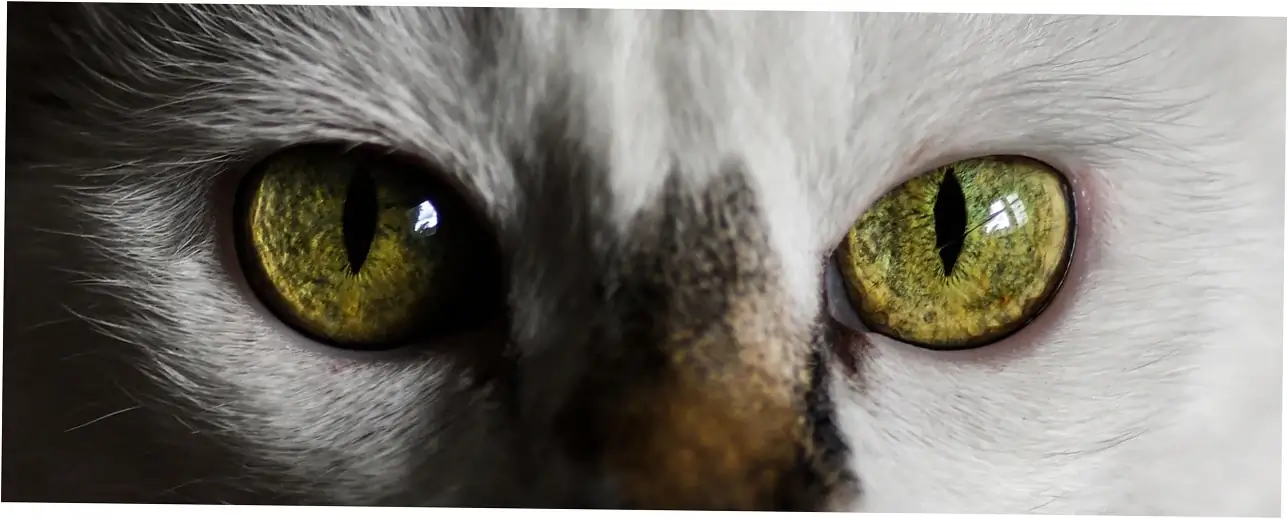
Want your calico cat to live longer?
Here’s how to feed them right
Feed your calico based on their age – it really helps them stay healthy their whole life Kittens need high-protein food to grow, adults do well with balanced meals, and older cats need special food for their joints and organs When switching foods.
take it slow so their stomach doesn’t get upset Talk to your vet about what your calico specifically needs – this can really help them live longer and better.
Watch their weight – being overweight can cut a cat’s life short by two years and cause diabetes, arthritis, and heart issues Keep an eye on their body shape and adjust how much you feed them Measure their meals instead of leaving food out all day.
give them healthy treats, and play with them regularly to keep their weight perfect Weigh them often at home or at the vet’s to catch any weight changes early.
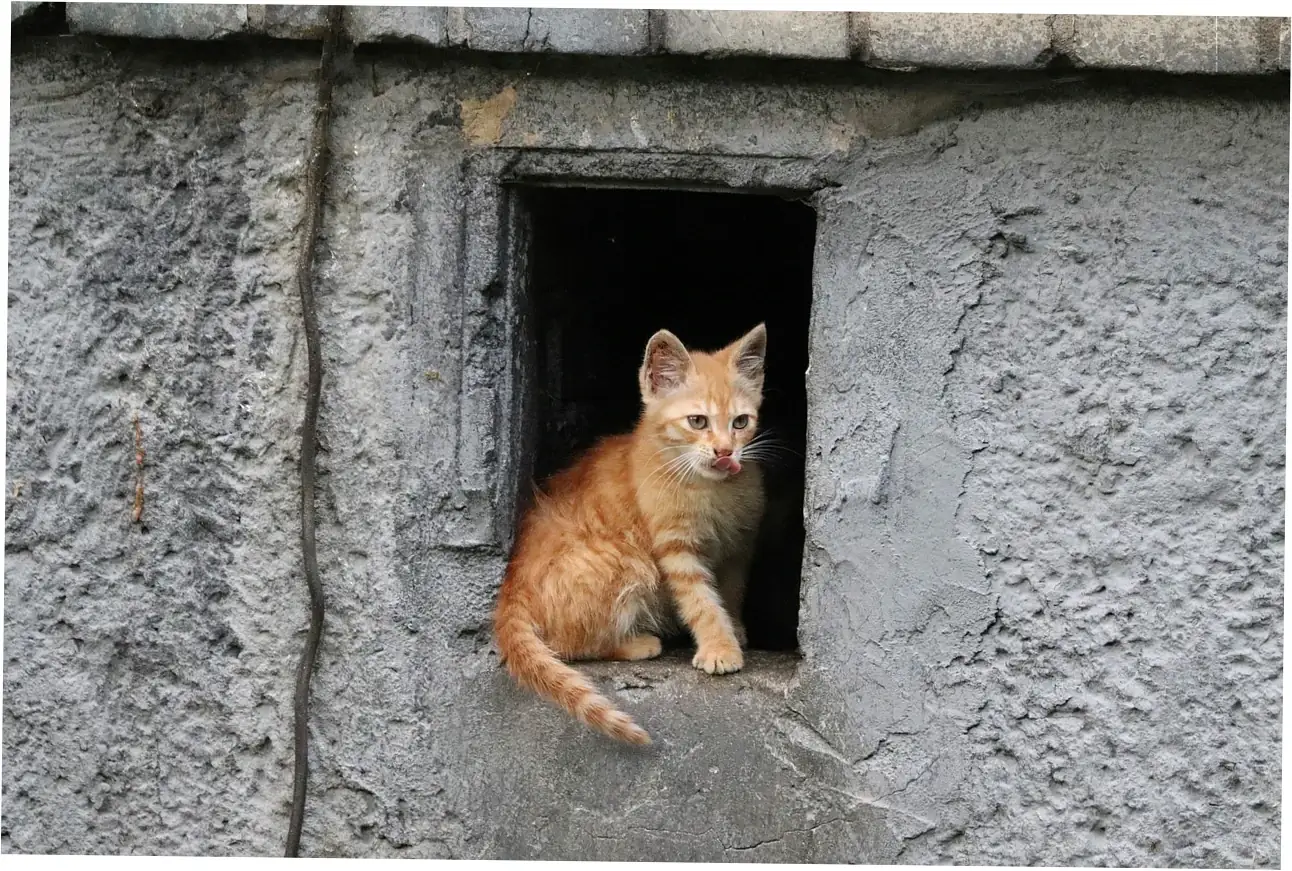
Making their home fun and safe
Make your home interesting for your calico – it lowers stress and lets them act naturally, which is great for their mind and body Give them cat trees, window seats, hiding places.
and fun toys to keep them from getting bored and sick from stress This is extra important for indoor calicos since it gives them the mental and physical exercise they need Switch up their toys often, and maybe build a safe outdoor space so they can enjoy the outside safely.
Make your home cat-safe to remove dangers that might shorten your calico’s life Put screens on windows and balconies, keep poisonous plants and chemicals away, store small items safely.
and always check appliances before using them – curious cats love to explore Stick to a regular schedule and give them cozy spots to hide when they’re stressed – this keeps them happy and healthy, helping them live longer.

Caring for your older calico cat
Keeping an eye on their health as they age
When calico cats hit about 11 years old, they’re seniors. You’ll want to check their health more often to catch any age-related issues early. Take them to the vet twice a year.
These visits should cover full check-ups, blood pressure tests, blood work for their organs, and urine tests for kidney health and diabetes. Catching problems early really helps.
Things like kidney disease, thyroid issues, and arthritis – spotting them sooner means your calico can live better and longer. Most age-related problems can be managed if you catch them early. This lets your older calico enjoy their golden years in comfort.
Moving around and staying comfortable gets tougher. Actually, about 90% of cats over 12 get arthritis, which really affects how they move and feel. You can help them stay comfy with orthopedic beds, ramps to their favorite spots.
non-slip floors, and keeping your home at a good temperature. Ask your vet about joint supplements with glucosamine, omega-3s, and pain meds if needed. These can really help them move better. Light exercise that matches what they can handle keeps their muscles strong and joints flexible.

Making their later years comfortable
As your calico gets older, their comfort becomes super important. This means managing any ongoing health issues, making sure food, water and litter boxes are easy to reach, and adjusting your home for their changing mobility and senses.
Try soft beds in warm spots, raised food bowls so they don’t have to bend down, and extra litter boxes around the house. These small changes make daily life much easier for older cats.
Gentle brushing regularly keeps their coat in good shape. This is especially helpful for long-haired calicos who might have trouble grooming themselves.
As your calico nears the end of their life, paying attention to their quality of life helps you make those tough decisions. There are quality of life checklists that look at pain, hunger, hydration, cleanliness, happiness and movement.
These give you a clearer picture along with what you see day-to-day. Stay in close touch with your vet to manage symptoms and keep your calico comfortable and dignified their whole life.
Understanding palliative care and when to think about euthanasia to prevent suffering are key parts of being a responsible cat owner.
So while most calico cats live 12-16 years, many things affect their lifespan. Their genes, healthcare, diet, and living environment all play a big role in how long these colorful cats live.
With good care, preventive health steps, and paying attention to their changing needs, lots of calicos can make it to their late teens or even early twenties. Knowing what makes calicos special helps you make smart choices that boost both how long they live and how well they live.
Want to help your calico live their longest, healthiest life? Share your own calico care tips below! And check out our full guide to senior cat care for more ways to support your furry friend in their golden years.

Frequently Asked Questions About Calico Cat Lifespan
Do calico cats live shorter lives because of their genes?
No, that calico coat pattern alone won’t cut your cat’s life short. How long calico cats live really comes down to their breed, the healthcare they get, and where they live – not their fur color.
Some breeds with calico coloring might have health issues that affect how long they live. Those rare male calicos might face extra health challenges from Klinefelter syndrome, but with good care they can still live full lives.
What’s the oldest a calico cat has ever lived?
The oldest confirmed calico was Nutmeg from the UK – she made it to 32 years! Another famous old-timer was Puss from England, hitting 36 years, though proving those super old ages can be tricky.
These amazing cats show that with great care, good genes, and some luck, calicos can live way longer than you’d expect.
Do indoor or outdoor calico cats have longer lifespans?
Indoor calicos usually live much longer – we’re talking 15-20 years versus just 2-5 years for outdoor cats. Outdoor cats deal with all sorts of dangers like cars, predators, diseases, and poisons that really shorten their lives.
Keeping your calico inside, or giving them safe outdoor space, is one of the best ways to help them live longer.
Are there particular health problems that affect how long calico cats live?
Calicos don’t get sick because of their coloring, but they might inherit health issues from their breed. Common problems that affect many cats lifespans are kidney disease, thyroid issues, diabetes, and cancer.
Regular vet visits, check-ups, and catching problems early are crucial for helping calicos live longer, healthier lives.