What Determines Average Domestic Cat Lifespan?
I’ve owned cats my whole life and really love them, so people often ask me how long cats typically live. Figuring out how long cats live isn’t straightforward because their lifespan depends on so many different things. Most indoor cats live 12-15 years, but these days plenty make it to their late teens or even early twenties thanks to better vet care and food. Knowing what affects your cat’s life expectancy helps you make smart choices that could give them more healthy years.
Table of Content
Average Lifespan: Indoor vs Outdoor Cats
Indoor Cat Life Expectancy
Environmental Impact: Indoor cats usually live way longer than outdoor cats, typically making it to 12-18 years. Being indoors keeps them safe from all sorts of dangers like cars, other animals, bugs, and diseases.
Vets say indoor cats live about three times longer than outdoor cats. Take my indoor cat Whiskers – she just turned 17, showing how good indoor care really helps cats live longer. Regular vet visits, good food, and keeping them entertained all help cats live longer lives.

Outdoor Cat Survival Rates
Risk Factors: Outdoor and stray cats don’t live nearly as long – studies show they typically only make it 2-5 years. UC Davis vet school says outdoor cats face lots of risks that cut their lives short – like getting hit by cars.
attacked by animals, poisoned, or dealing with bad weather. They also catch diseases like FIV and FeLV more often. Sure, some outdoor cats beat the odds, but the numbers don’t lie – living outside really affects how long cats live.

Let’s talk about what affects how long cats live
First up, genetics and breed stuff
Different cat breeds tend to live different lengths of time. Mixed-breed cats often have what’s called hybrid vigor, which can help them live longer. Research shows Siamese cats and Burmese cats often make it to 15 to 20 years years.
But some purebred cats with genetic health problems might not live as long. Here’s how lifespans vary for common cat breeds:
| Cat breed | How long they usually live (years) | Health issues to watch for |
|---|---|---|
| Mixed Cat breed | 12 to 18 years | Their genes can be pretty mixed |
| Siamese cats | 15 to 20 years | They might have tooth problems or breathing issues |
| Maine Coon cats | 10 to 15 years | They can develop heart conditions |
| Persian cats | 12 to 17 years | Watch for kidney disease and breathing trouble |
Now let’s talk about food and weight
What your cat eats really matters for how long they’ll live. Experts say overweight cats might live two years less. Poor nutrition leads to lots of health problems too.
I’ve seen cats completely transform when they switch to the right food with good protein and proper portions. Talking to your vet about the right food for your cat’s age and how much to feed them can really help them live longer and better.

Healthcare and Preventive Measures
Veterinary Care Essentials
Preventive Medicine: Taking your cat to the vet regularly is probably the biggest thing you can do to help them live longer. The American Animal Hospital Association recommends twice-yearly wellness exams for senior cats (7 years) and annual visits for younger adults. These regular visits help catch health problems early, like kidney issues, thyroid problems, and diabetes that often show up as cats age. Getting their shots, keeping parasites away, and taking care of their teeth all help cats live longer and stay healthier. Finding a vet you really trust means your cat gets good care at every stage of their life.

Common Health Conditions
Age-Related Diseases: Knowing about common cat health problems helps you spot warning signs early on. Kidney disease hits about a third of cats over 10 years old, and thyroid issues affect around 10% of older cats.
If you don’t treat dental problems, they can cause serious infections that actually shorten your cat’s life. Keep an eye on how much your cat drinks and eats, their weight, and how they act – noticing changes means you can get help sooner.
With the right vet care, many age-related problems can be managed, which might give your cat several extra years.

Life Stage Management
Senior Cat Care Requirements
Aging Considerations: Most cats hit their senior years around age 7, and they need different care to keep them comfortable as they get older. You can help older cats by making some changes around the house – like giving them easier litter box access.
comfy orthopedic beds, and ramps to reach their favorite spots. As cats age, their metabolism slows down, so they usually need special senior cat food.
Keeping an eye on their health gets really important too – most vets suggest blood tests twice a year to catch any age-related issues early. Taking these steps can really help your senior cat live longer and more comfortably.

Kitten and Adult Life Stages
Developmental Foundations: How you care for cats in their early years sets them up for their whole life. Good kitten food helps them grow healthy, and socializing them young means they’ll be less stressed their whole life.
Getting your cat fixed stops unwanted kittens and also lowers their cancer risk and keeps them from wandering off. Here’s what you need to know about each life stage:
| Life Stage | Age | What They Need |
|---|---|---|
| Kitten | Under 1 year | Shots, meeting people, good food |
| Adult | 1 to 7 years | Watch their weight, dental care, yearly checkups |
| Senior | 7 years | Checkups every 6 months, help with movement, senior food |
Environmental and Lifestyle Factors
Home Environment Optimization
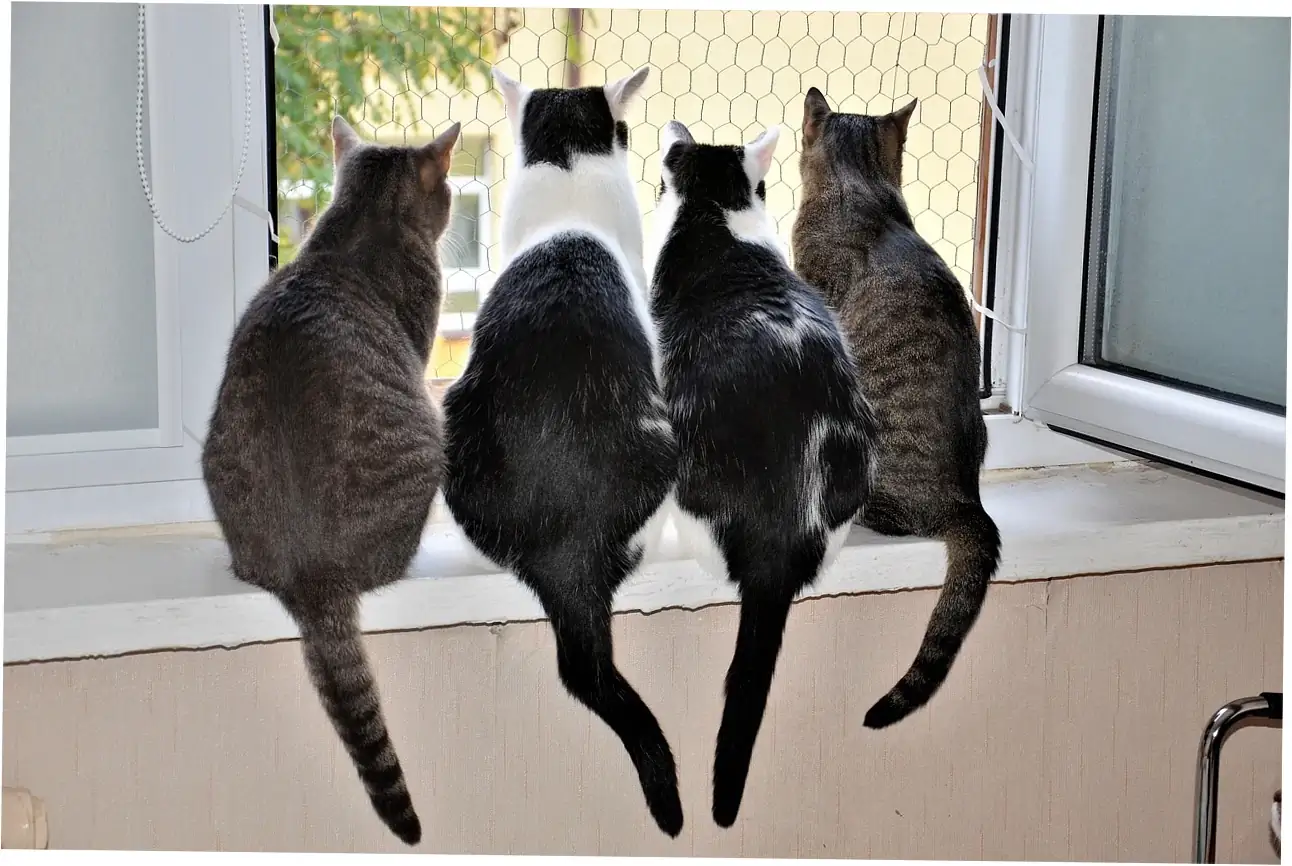
If you want your cat to live longer, make their home both safe and fun. A fun environment keeps cats active, which helps them avoid stress-related problems and stay at a healthy weight.
Give them multiple litter boxes in quiet spots, places to climb up high, scratching posts, and toys to play with – all this keeps them happy and healthy. From what I’ve seen, cats with fun homes are less stressed and keep a better weight, and both these things help them live longer.
Stress Reduction Techniques
Emotional Wellbeing: When cats are stressed out all the time, it can really hurt their health and shorten their lives, since it weakens their immune system and makes any health issues worse.
You can reduce your cat’s stress by keeping a regular schedule, giving them places to hide, using calming pheromone diffusers, and making any changes slowly.
If you have more than one cat, you’ll need to manage things carefully to stop fights, because conflict can lead to ongoing stress. Figuring out what specifically stresses your cat and dealing with it can help them live longer and have a better life overall.

Record-Holding Cats and Maximum Lifespans
Exceptional Feline Longevity Cases
Cats can really surprise you with how long they live. Sure, we know the average lifespan, but some cats are real genetic marvels that show just how long they can potentially live. Take Creme Puff – she holds the Guinness World Record at 38 years old!
And there are plenty of other cats that make it to their late 20s or early 30s. How do they live so long? It’s usually a mix of good genes, great care, and maybe a bit of luck too.
Not every cat will hit those numbers, but learning from these super seniors can help us give our own cats their best shot at a long life.
Lessons from Long-Lived Cats
So what do these long-lived cats have in common? Looking at them shows several key things that help, beyond just genetics. They usually had stable homes, regular vet checkups, ate the right food for cats, and kept a healthy weight their whole lives.
Lots of them got to enjoy safe outdoor time or had plenty of fun stuff to do inside. We can’t promise your cat will break any records, but following these tips sets them up for the healthiest, longest life possible.
When you understand what affects how long cats live, you can make smart choices that might help your cat live longer. Genetics matter, but what really makes a difference is good food, regular vet care, and a safe home.
Every cat’s different though, and what’s most important is making sure they have a good quality of life at every age. Stick with these proven practices, and you’ll give your cat the best chance at a long, healthy life.
Got stories about long-living cats? Share them below! Or check out our full guide on senior cat care for more tips on helping your cat through their golden years.
FAQ About how long do cats live
So how long do indoor cats usually live?
Most indoor cats live around 12 to 18 years. Actually, lots of cats are making it into their late teens these days. That’s thanks to better vet care, good food, and keeping them safe indoors.
If you take good care of your cat with regular vet visits, proper food, and keeping them active, they can easily beat those numbers.
Do some cat breeds tend to live longer?
Absolutely! Some breeds do stick around longer than others. Siamese and Burmese cats often hit 15 to 20 years. But bigger guys like Maine Coons usually live 10 to 15 years. Mixed-breed cats get that hybrid vigor going for them. They’re usually pretty healthy and live about 12 to 18 years on average.
What can I do to help my cat live a long life?
Keep your cat indoors for safety. Take them to the vet regularly, including for dental checkups. Feed them right to keep a healthy weight. Make sure they have fun things to do.
And watch for any early signs of aging issues. Getting them fixed also cuts down on some cancer risks and stops them from wandering off.
When do cats become seniors?
Most cats hit senior status around age 7, but it really depends on the cat and their breed. Older cats do better with vet visits every six months. They need food that’s right for their age.
And you might want to make some changes around the house to help with their mobility and health as they get older.