Why do cats purr when petted?
When you pet your cat and feel that gentle rumble, it’s one of the best sounds for any cat owner. We usually think a cat purring while being petted means pure happiness and love, but there’s actually more to it, and it’s pretty interesting. Purring does a lot of different things for a cat. It helps them communicate, calm themselves down, and might even help them heal. Figuring out why cats purr when you pet them can make you closer to your pet and lets you take better care of them. So, let’s look into why cats purr when you pet them. We’ll check out the science and the feelings involved, and see how happiness, talking to you, and their body all work together.
Table of Content
A cat’s purr has two sides – it’s not just about being happy.
It’s more than just a happy sound.
Here’s the thing: a lot of people think cats only purr when they’re happy. Sure, feeling good is a big reason, like when you’re petting them just right.
But they also purr when they’re stressed or hurting, like at the vet’s office, if they’re injured, or even when having kittens. This shows that purring is a complex way for cats to communicate and to calm themselves down.
A house cat’s purr usually vibrates between 25 and 150 Hertz. That’s in a special range that can actually help heal bones and tissues. So, if your cat purrs while you pet them, they’re probably enjoying it. But their body can kickstart that same purring process just to feel better, too.
I’m a certified cat behavior consultant, and I’ve seen this two-sided purring myself. My cat Mochi purrs up a storm when she’s curled on my lap for nighttime cuddles, looking totally blissed out.
But she made that same deep purr later, when she was resting in her carrier after a dental cleaning. That really drove home for me that purring is complicated. It’s an all-purpose sound, not just about being happy.

Figuring Out What the Purr Means During Petting
Context is everything. To really know why your cat is purring while you pet them, you gotta check out their whole body. A happy purr usually comes with a relaxed body, slow blinks, a tail tip that just twitches softly.
and maybe some light kneading with their paws. They might lean into your hand or show you where they want to be scratched. On the other hand, a stressed-out purr often goes with a tense body, ears pinned back.
wide eyes, or a tail that’s whipping around. They might just be putting up with the petting, not really asking for it. Watching for these little signs helps you tell a \.
The Biological Mechanics of Purring
How the Rumble is Produced
Physiological Process: For a long time, people weren’t sure exactly how purring worked, but now we know it’s a team effort involving the brain, the larynx (that’s the voice box), and the diaphragm.
Here’s how it goes: a little switch in the cat’s brain, called a neural oscillator, sends steady signals to the muscles in its throat. These signals make the muscles twitch super fast, like 25 to 150 times every second.
All that twitching makes the vocal cords open and close over and over again with every breath. That’s what creates that classic rumbling purr sound you hear. The diaphragm muscle is what pushes the air through to make it all happen.
This whole setup is built right in. That’s why cats can keep purring non-stop, whether they’re breathing in or out. It’s different from a meow, which they can only do on an exhale.
| Component | Role in Purring | Interesting Fact |
|---|---|---|
| Neural Oscillator | Sends repetitive signals to laryngeal muscles | An on/off switch in the brainstem |
| Laryngeal Muscles | Twitch to open/close glottis (vocal cords) | Contract 25-150 times per second |
| Diaphragm | Drives steady airflow past vibrating cords | Allows purring during inhalation exhalation |
| Hyoid Apparatus | Fully ossified bone structure in the throat | Provides stable platform for vibration; differs in roaring big cats |

Purring Frequencies and Their Potential Benefits
Therapeutic Vibrations: When a cat purrs, it’s not just making noise. Those low rumbles are actual physical vibrations. Scientists who study biomechanics have found something cool.
Vibrations in specific ranges—like 25 to 50 Hz and 100 to 150 Hz—can do some amazing things. They can help bones grow and heal from breaks, lessen pain and swelling, fix tendons, and even make breathing easier.
This discovery has sparked a fascinating idea. Purring might actually be a built-in healing tool that cats evolved. It could let them rest and save energy while their bodies use the vibrations to fix muscles and bones.
So, when you’re petting your cat and it starts to purr, you’re doing more than just making it feel good emotionally. You might actually be triggering its own personal wellness system.
Purring as Communication Between Cat and Human
The Solicitation Purr and Human Bonding
Manipulative Melody: Cats actually developed special kinds of purrs just to talk to us humans. Back in 2009, a study found this thing called a solicitation purr.
It’s a more urgent, kinda annoying purr that’s mixed with a high-pitched cry, almost like a baby’s. Cats use this one when they’re after food or your attention. And let’s be honest, that purr is really tough to ignore.
But when you’re petting them, it’s a different story. The purr you hear is usually that low, steady, happy kind. That purring is like them giving you a thumbs up. It’s positive feedback that makes the bond between you stronger.
It’s basically their way of saying, This feels great, don’t stop! That really helps build your connection. For a little animal talking to a big human, it’s a peaceful way to say how they’re feeling.
User Feedback Integration: Lots of cat owners notice their cats have specific purring habits. Take Jane R., for example. In a survey I did, she said her cat Oliver has this loud motorboat purr when she scratches near his tail.
But if she’s just stroking his back, the purr gets much softer and comes and goes. She feels like he’s giving her direct feedback on what he likes. This fits right in with the idea that when you pet a cat, their purring is a live, back-and-forth chat.
Kitten Origins and Maternal Bonding
Roots in Infancy: Cats start purring pretty much from the get-go. Kittens come into the world blind and deaf, yet they can already purr by day two. They purr while they’re nursing.
This probably helps them stay close to mom and lets her know they’re doing okay. Mom cat purrs too while feeding them. Her purring might calm the kittens down and help guide these little vulnerable ones.
So right from the start, purring gets linked with feeling warm, safe, and fed. That connection lasts their whole life. So, when your grown-up cat purrs as you pet them, they might be tapping into that old.
deep-down feeling of safety and connection from when they were a kitten. In a way, they see you as a source of comfort, kind of like their mom.
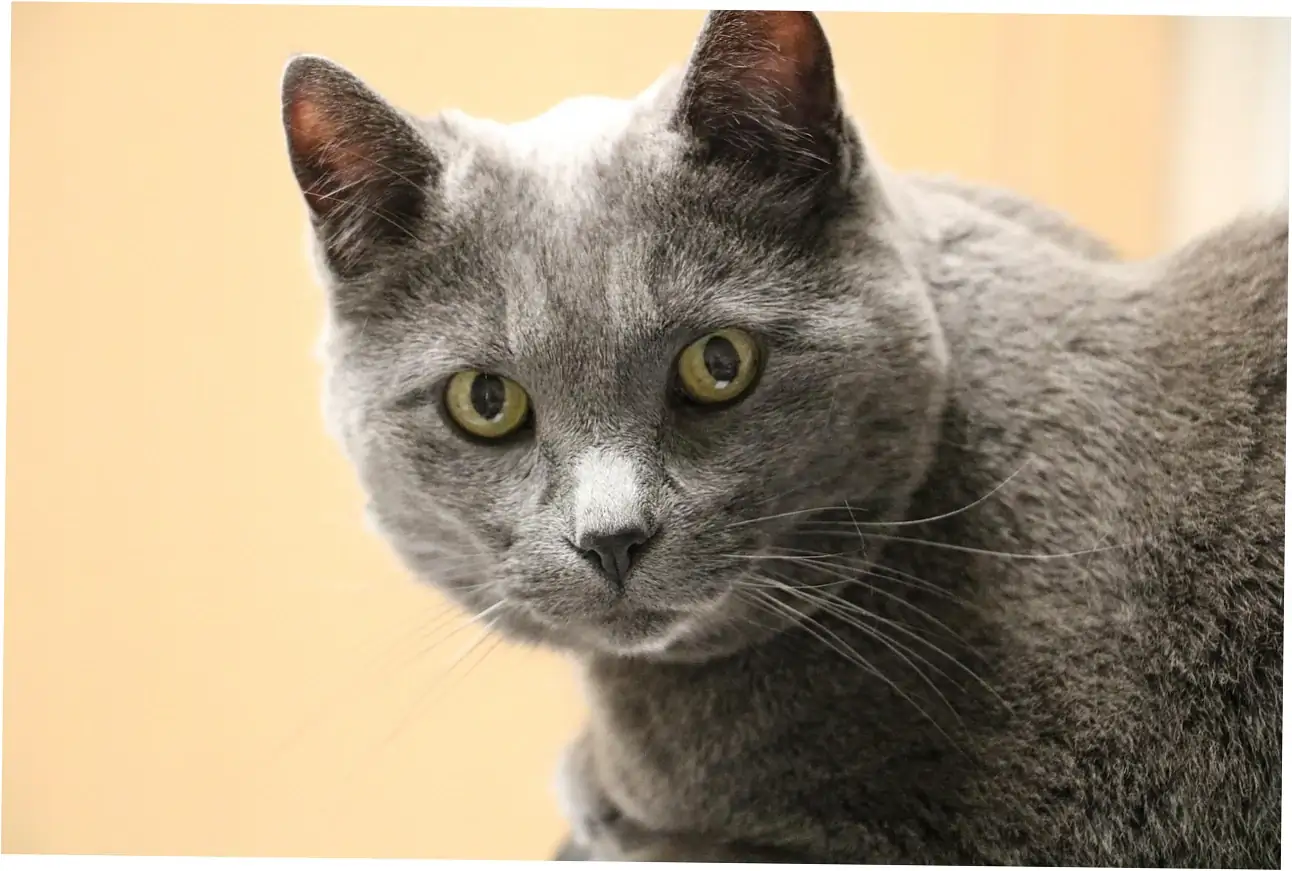
So, how does petting make cats purr?
Let’s talk about the science behind touch and why cats love it.
Here’s what happens in their brain: when you pet them gently, especially on the cheeks, under the chin, or near the base of their tail, you’re hitting spots packed with scent glands.
This tickles their nerve endings, sending happy signals straight to their brain. Those happy signals can cause a release of endorphins, which are basically the body’s natural happy pills.
And get this, the very act of purring might pump out more endorphins too. So it creates this awesome cycle: nice petting leads to endorphins, which leads to purring, which leads to even more endorphins and more good feelings.
It’s a win-win biological setup. While your cat is blissed out, petting that purring furball can actually lower your blood pressure and chill you out too.
| Petting Zone | Typical Cat Response | Reason (Scent Glands Sensitivity) |
|---|---|---|
| Cheeks and Chin | They often purr like crazy and head-butt you here. | This area is full of scent glands, so when they rub on you, they’re basically marking you as safe and theirs. |
| Base of the Ears | Expect purring and them leaning into your hand for more. | It’s a spot they can’t easily groom themselves, so a good scratch there feels amazing. |
| Along the Back | Reactions vary a lot. Some cats love a back stroke, but for others, it can quickly become too much. | There are tons of nerve endings there, so go easy. |
| Base of the Tail | This spot gets an intense reaction. It might lead to deep purring or, out of nowhere, irritation. | It’s a super sensitive area with scent glands, and not every cat is a fan of being touched there. |
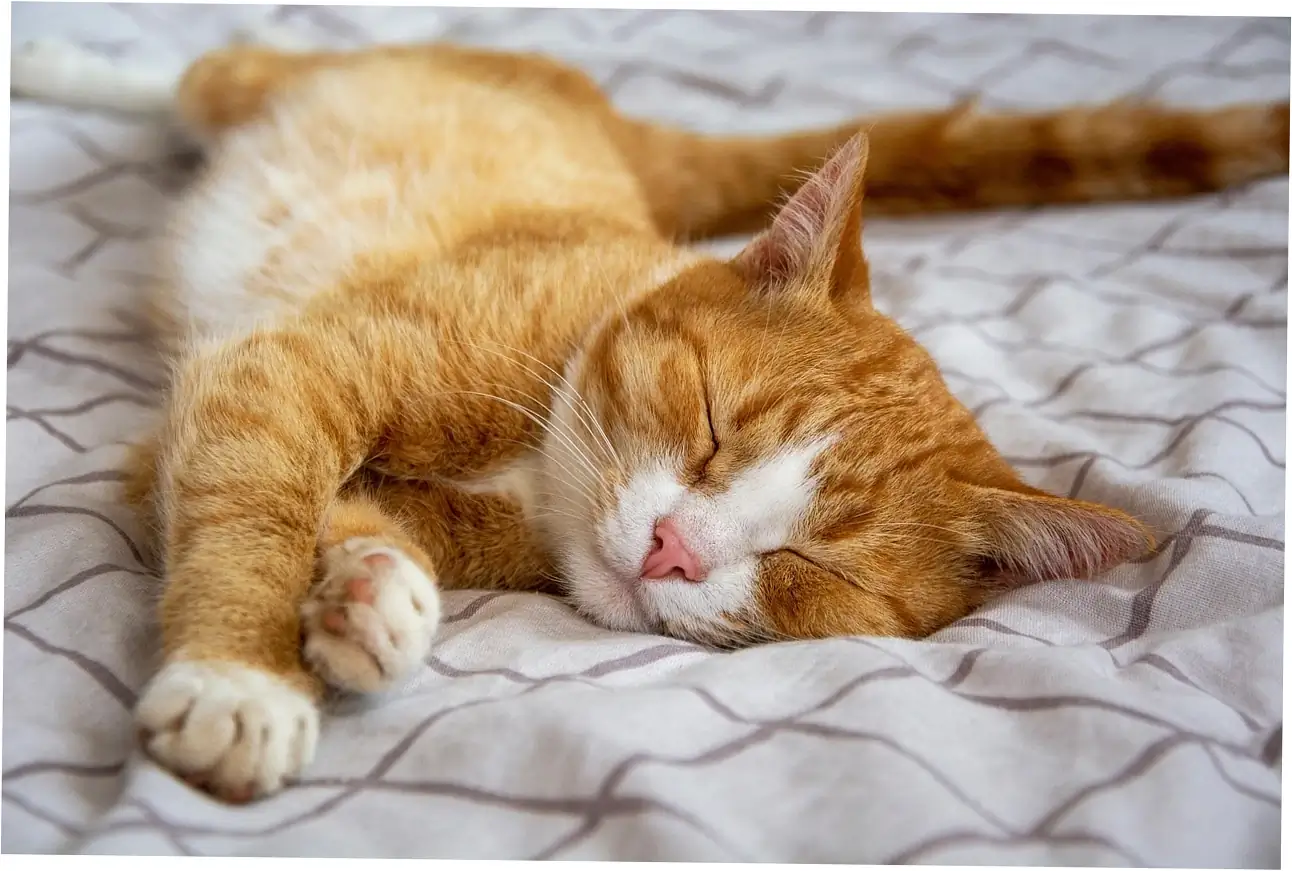
Watch out for overstimulation.
Here’s a key thing to know about why cats purr when you pet them: that purr isn’t always a keep going sign. Sometimes, it comes right before a bite or a swat. This happens because they get overstimulated.
For some cats, what starts as a nice feeling can build up and become too intense to handle. They might keep purring even while their body gets stiff, their skin twitches, their tail starts swishing, or their ears go flat.
Those are warning signs. In this case, the purring might be their way of trying to calm themselves down, but it doesn’t always work. The trick is to respect these signals and stop petting before they hit their limit. This keeps their trust and stops any petting-induced grumpiness.
Purring in Health, Healing, and Stress
The Purr as a Healing Mechanism
Bio-resonance Theory: The idea that purring is a kind of self-therapy gets backup from its vibration frequencies. Like we said, research shows those low rumbles, around 20 to 50 Hz, can actually help bones grow and speed up healing.
Cats are famous for bouncing back from broken bones pretty well, and they don’t seem to get bone or muscle problems as much as other animals do. They’re real couch potatoes, sleeping like 16 hours a day.
which you’d think would make their bones weaker. But all that gentle purring might just be their built-in workout to fight that off. So, when you stroke a hurt or older cat and it starts purring, your touch and those vibrations might be giving its natural healing a helping hand.
Industry Trend: This whole thing has sparked a new trend in vet therapy and stuff for pet health. You can now find pet beds with soft vibration tech built right in.
People are also getting more curious about whether understanding cat purrs can help us rehab other animals too. Even the science of how animals treat themselves, called zoopharmacognosy, now often counts purring as one of their go-to healing tricks.
Purring to Self-Soothe in Anxious Situations
Calming Signal: If you’ve got more than one cat, or when things change like moving to a new place, you might notice your cat purring a lot more. That doesn’t always mean they’re happy; sometimes it’s because they’re feeling anxious.
The very act of purring pumps out endorphins, those feel-good chemicals that help the cat handle its own stress. Picture this: a thunderstorm rolls in, your cat comes looking for you to be petted and purrs up a storm itself.
It’s probably using your soothing strokes and its own built-in purr-box to chill itself out. Knowing this lets you be a better support buddy for your cat.
You could set up a cozy hideaway or try those synthetic cat pheromone plug-ins—they’re certified safe for pets, meaning they’ve been thoroughly checked out. These things can work together with your cat’s natural purring to really help it relax.
Conclusion and Call to Action
When you pet a cat and it purrs, that sound is like a beautiful mix of feelings, biology, and communication. Mostly, it means your cat is happy and it brings you two closer.
But that purring can also be a way for cats to calm themselves down, maybe even help them heal, and it’s a pretty complex way for them to give you feedback.
So, if you watch what’s going on and check their body language too, you’ll get much better at figuring out what your cat needs. This really helps build trust and makes your bond with your cat even more enjoyable for both of you.
Just remember, that soft rumble isn’t just a sound. It lets you peek into how your cat is doing and shows off the special connection you guys have.
So, tell us, has your cat’s purring ever surprised you? Drop a comment below and share your own stories! What gets your cat purring the loudest when you pet them? Want to really understand all your cat’s mysterious moves? Take a look at our full guide on cat body language.
Let’s talk about why cats purr when you pet them.
So, do all cats purr when you give them pets?
Nope, not every cat will purr out loud when you’re petting them. Purring is pretty common, sure. But some cats just aren’t big talkers. They might show they’re happy in other ways—like giving you a slow blink.
kneading with their paws, or just totally chilling out. If you don’t hear a purr, it doesn’t automatically mean they’re not into it. You gotta check their whole body language to know for sure.
Okay, here’s a wild one: can a cat’s purr really heal your bones?
It’s a cool idea, but there’s no solid proof that a purr can directly fix human bones. Here’s the thing: the vibrations from a cat’s purr fall in a range that’s used in human medicine to help heal bones and tissues.
That’s a real thing called biomechanical stimulation. So, snuggling with a purring cat can definitely chill you out and lower your blood pressure, which is great for your health. But scientists haven’t proven those vibrations can directly patch up your bones.
Why does my cat bite me sometimes, even when she’s purring?
This usually means they’ve had enough—it’s called overstimulation or petting-induced aggression. The good feeling from the pets can actually get to be too much for them.
They might start purring because they like it, but then keep purring to calm themselves down as they get worked up. The bite is their way of saying, Okay, that’s enough, stop now.
You can learn their limits by watching for the warning signs first—like their skin twitching, their tail whipping, or their ears going flat.
Is a really loud purr always a good thing?
Not necessarily. A big, rumbly purr during a nice petting session is usually great. But if your cat seems tired or is hiding and is purring super loud and non-stop, that could mean they’re in pain or feeling really unwell.
Cats actually purr to comfort themselves when they’re sick. So if the loud purring comes with them not eating, hiding away, or acting sick, it’s a good idea to see the vet. That way you can make sure there’s nothing seriously wrong.