Dutch Rabbit Lifespan: How Long Do They Live?
I’ve owned Dutch rabbits for years, and people always ask me how long these bunnies usually live. Dutch rabbits are so charming and easy to spot with their unique color patterns – they make awesome pets if you take good care of them. How long Dutch rabbits live really comes down to a few things – their genes, where they live, and how well you look after them over the years. From what I’ve seen and learned, these little rabbits can actually live quite a long, healthy life with their human families when conditions are right.
Table of Content
Average Dutch Rabbit Lifespan and Key Factors
Typical Lifespan Range and Influencing Elements
Core lifespan data: Dutch rabbits usually live around 5 to 8 years, but if you take really good care of them, some can even make it to 10-12 years. That puts them right in the middle when it comes to how long domestic rabbit breeds live.
I’ve kept track of my own Dutch rabbits for years, and my oldest one lived to 11 thanks to regular preventive care. How long they live really comes down to their genes, what they eat, where they live, and whether they get vet care.
Wild rabbits deal with predators and tough conditions, but domestic Dutch rabbits get to live in safe spaces that help them live much longer.
Genetic and environmental factors: Where your Dutch rabbit comes from really affects how long it’ll live. Good breeders care about healthy genes and proper build.
but pet store rabbits often come from big breeding operations that don’t worry as much about long-term health. Things like safe housing, keeping the temperature right, and reducing stress also make a big difference in their lifespan.
I’ve noticed rabbits in calm, steady homes with regular handling get fewer stress-related problems and usually outlive those in chaotic places.
Comparative Lifespan Analysis
Breed comparison: Compared to other breeds, Dutch rabbits tend to live longer than big guys like Flemish Giants who make it 5-7 years, but they might not last as long as some smaller dwarf types that can go 8-12 years.
This gives potential owners a better idea of what they’re signing up for. The table below illustrates how Dutch rabbits compare to other common breeds:
| Breed | Average Lifespan | Key Health Considerations |
|---|---|---|
| Dutch Rabbit | 5-8 years | Dental issues, gastrointestinal stasis |
| Netherland Dwarf | 7-10 years | Dental problems, eye issues |
| Mini Lop | 7-14 years | Ear infections, obesity |
| Flemish Giant | 5-7 years | Heart problems, joint issues |
Historical context: Dutch rabbits are living longer these days because vet care has gotten better and we understand more about what they should eat. Back when I started with rabbits 15 years ago, people said they’d live 4-6 years on average, but now we know more about diet and preventive care, so they’re living longer. This just shows that when owners learn more, their pets live longer.
Essential Care Requirements for Longevity
Optimal Diet and Nutrition
If you want your Dutch rabbit to live longer, start with their diet – they need unlimited grass hay making up most of what they eat, around 80%. Go for timothy hay or orchard grass since these give them the fiber they need for good digestion and keeping their teeth worn down. I put fresh hay in several spots to get them foraging like they would naturally. Then add some fresh veggies for about 10% of their food and keep pellets to just 5% or less to round out their diet. This way they stay at a healthy weight and it keeps them in good shape overall.
Nutritional monitoring: Keep an eye on your Dutch rabbit’s body condition and tweak how much you feed them to avoid weight problems. I weigh mine every week and check their body condition to make sure they’re not too heavy or thin.
Steer clear of iceberg lettuce, beans, rhubarb, and sugary fruits – save those for rare treats. Always have fresh water ready in bowls or bottles so they drink enough.

Housing and Environmental Needs
Living space requirements: Your Dutch rabbit’s home should be roomy enough for them to hop at least three times in any direction – most experts say go for at least 4 by 2 by 2 feet.
I’ve noticed they really enjoy having different levels and places to hide in their space. Keep their area from getting too hot or cold since Dutch rabbits don’t handle temperatures over 80°F or under 45°F well. Good air flow stops breathing problems that could cut their life short.
Environmental enrichment: Toys, puzzle feeders, and time out exploring with you watching helps keep Dutch rabbits happy and living longer. I switch up their toys every week and give them cardboard hideouts, tunnels, and safe wood to chew on.
Make sure their play space is safe with no electrical cords or poisonous plants around. Setting things up this way lowers stress and lets them act like rabbits naturally would.
Common Health Problems and Prevention
Frequent Health Concerns
Dutch rabbits often get dental problems because of their flat faces, so you really need to check their teeth regularly if you want them to live long. I look at my rabbits teeth every week for crooked teeth that might stop them from eating right and cause them to lose weight. Giving them plenty of hay all the time helps grind down their teeth as they keep growing. Watch for drooling, not eating much, or teeth that look too long – these mean you should see a vet right away to avoid bigger health issues that could affect how long your Dutch rabbit lives.
Gut stasis is really dangerous for Dutch rabbits – it’s when their digestion slows way down or stops completely, usually because of food problems, stress, or pain.
I keep an eye on what my Dutch rabbits eat and drink every day, plus check their poop, to spot trouble early. To prevent this, make sure they drink enough water, get plenty of fiber, and move around regularly. Here are the main health problems Dutch rabbits face and how to prevent them:
| Health Problem | What to Look For | How to Prevent It |
|---|---|---|
| Tooth Troubles | Drooling, not eating well | Lots of hay, yearly tooth checkups |
| Gut Stasis | Little or no poop, low energy | High-fiber food, moving around, drinking water |
| Breathing Issues | Sneezing, runny nose | Clean bedding, good air flow |
| Weight Problems | Trouble moving, fatty lumps | Watch food amounts, daily activity |
Preventive Healthcare Practices
Finding a vet who knows rabbits really helps your Dutch rabbit live longer. I take mine for yearly checkups where they check their weight, look at their teeth, and see how they’re doing overall.
Getting them vaccinated against rabbit diseases like RHD and myxomatosis gives them important protection for a long life. Fixing your rabbit stops reproductive cancers and calms down hormone behaviors that might stress them out or get them hurt.
Watching your rabbit every day lets you notice small changes that could mean health problems. I keep a simple log of what they eat and drink, how active they are, and what comes out in their litter box.
Catching problems early makes a big difference in how well your Dutch rabbit recovers. Learn to check their eyes, ears, nose, teeth, fur, skin, and nails yourself so you can spot issues before they get bad and help your Dutch rabbit live a long, healthy life.
How behavior and social needs affect how long Dutch rabbits live
What Dutch rabbits need socially and for their mental health
Dutch rabbits really benefit from companionship – they’re social creatures that tend to live longer and stay healthier when they have the right company.
I saw my rabbit become much more active and engaged after I introduced him to a neutered mate, making sure to follow the right bonding steps. When rabbits live in pairs or groups, they groom each other.
play together, and comfort one another, which really helps lower their stress. If you have multiple rabbits, make sure they have enough space and resources so they don’t compete or get aggressive with each other.
Keeping Dutch rabbits mentally stimulated is crucial because boredom and stress can weaken their immune system and actually shorten their lifespan. I like to mix things up for my rabbits with different activities – food puzzles.
digging boxes, and new safe objects for them to check out. Training with positive rewards does two good things – it brings you closer to your rabbit and gives their brain some exercise.
These kinds of activities stop rabbits from developing destructive habits and help keep them happy and healthy overall.
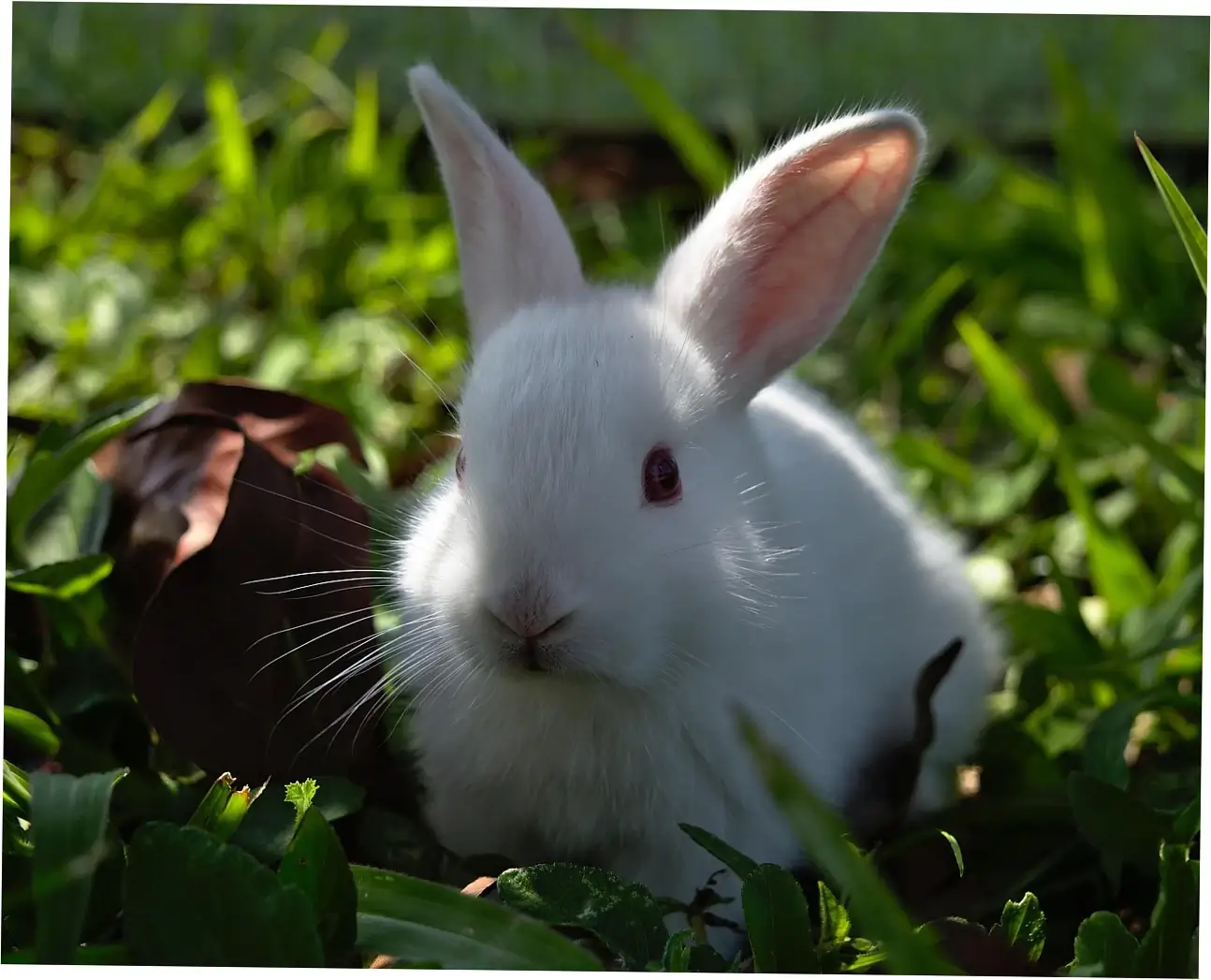
How to handle Dutch rabbits and keep their stress down
Here’s the best way to interact with Dutch rabbits – they’d rather you come down to their level instead of picking them up, since lifting can stress them out and might even cause injuries.
Every day I sit on the floor with my rabbits and let them come to me when they feel comfortable. If you do need to pick up your rabbit, make sure to support their back end properly and hold them securely to avoid drops and back injuries.
Always watch kids around rabbits and show them the right way to interact so the rabbits stay safe and comfortable.
Managing stress is super important for Dutch rabbits health and how long they live, since ongoing stress really takes a toll – that’s why they need a regular routine and safe places to hide.
I keep to the same schedule every day for feeding, cleaning, and spending time with them. Giving rabbits several hiding spots to run to when they get scared helps them feel much more secure.
Try to avoid sudden changes in their environment, loud noises, and putting them with inappropriate cage mates – like pairing prey animals with predators – to keep their stress levels low.
Let’s talk about caring for older Dutch rabbits
As Dutch rabbits get older, they go through some changes
Recognizing age-related changes: As Dutch rabbits reach their senior years (typically 5 years), they may develop arthritis, decreased mobility, vision changes, and other age-related conditions.
I made my older rabbits spaces easier to use – lower litter boxes, more comfy pads, and food and water within easy reach. Vet check-ups get really important as they age. These help manage health problems and keep them comfortable in their later years.
Older Dutch rabbits need special care. You might need to change their food for dental problems, give joint supplements if your vet says so, and make sure they have cozy spots to rest.
I discovered that gentle massages and helping them move keeps my older rabbits more active. Keeping an eye on their weight matters a lot because their metabolism changes. They might gain or lose weight, so you’ll need to adjust their food.

Checking how your older Dutch rabbit is doing
Check on your older Dutch rabbit regularly to make sure they’re comfortable and happy as they age. I use a simple way to check how they’re doing – looking at their appetite, how they move, if they want to interact, and how comfortable they seem.
Team up with your vet to handle any pain or age problems – this keeps your rabbit feeling good. Making changes as they need them shows you care about your rabbit through their whole life.
When Dutch rabbits near the end of their life, you’ll need to focus on keeping them comfortable and making kind decisions. I talk with my vet often to watch how they’re doing and make caring choices when needed.
Keeping their routine and space comfortable helps them feel secure and respected during this time.
So here’s the deal – Dutch rabbits usually live 5 to 8 years with good care. Some lucky ones might even make it to 10-12 years in perfect conditions. How long Dutch rabbits live really comes down to their genes.
what they eat, their living space, and regular health care. When you understand what they need and give them the right care their whole life, you help them live longer and better. Want to help your Dutch rabbit live their longest, healthiest life?
Share your Dutch rabbit stories in the comments! Or check out our detailed guide on older rabbit care for more tips.
FAQ About How long do Dutch rabbits live
So how long do Dutch rabbits usually live?
With good care, Dutch rabbits typically live 5 to 8 years. But some lucky ones with great genes and perfect care can make it to 10-12 years. That means they’re a medium-term pet compared to other rabbit breeds.
Want to help your Dutch rabbit live longer?
Give them unlimited hay, fresh veggies, and a good home. Get yearly vet checkups, spay or neuter them, find them a bunny friend, and keep their minds active with fun activities and safe playtime.
What health issues cut a Dutch rabbit’s life short?
Dental troubles, gut stasis, breathing infections, being overweight, and untreated age problems like arthritis can all shorten their lives. Catching problems early and preventing them really helps them live longer.
Do boy or girl Dutch rabbits live longer?
When both are fixed, male and female Dutch rabbits live about the same length of time. Spaying girls removes uterine cancer risk, and neutering boys calms them down – both help them live longer, healthier lives.