What Determines Pet Rabbit Lifespan?
If you’re bringing a pet rabbit home, you really need to know how long they might live, since it’s a big long-term commitment. Pet rabbits usually stick around for 8 to 12 years, which is way longer than wild rabbits. Wild ones only make it about 1-2 years because of predators and tough living conditions. That huge gap comes down to the safe homes, good food, and vet care that our indoor bunnies get. But hitting that full lifespan isn’t automatic. You need to know the specifics about rabbit care, keeping an eye on their health, and managing their environment. Lots of new owners don’t realize how much is involved.
Table of Content
Average Rabbit Lifespan and Breed Variations
Factors Influencing Rabbit Longevity
Different rabbit breeds have different lifespans, and smaller ones usually live longer than bigger breeds. Dwarf rabbits often make it to 10-12 years, but giant breeds like Flemish Giants usually only live 5-8 years.
This difference comes down to genetics, which affect their heart health, joints, and how well their metabolism works. Good breeders help rabbits live longer by screening for health issues and breeding carefully to avoid passing on bad genes.
Where rabbits live really matters – indoor bunnies often live 2-4 years longer than outdoor ones because they don’t face weather changes, predators, or temperature stress.
The House Rabbit Society shows indoor rabbits can live past 12 years with good care, but outdoor rabbits in hutches have shorter lives due to bad weather, predator stress, and less social time.
Giving them a safe indoor space with steady temperatures really boosts how long they live by removing these outdoor dangers.
Breed-Specific Lifespan Expectations
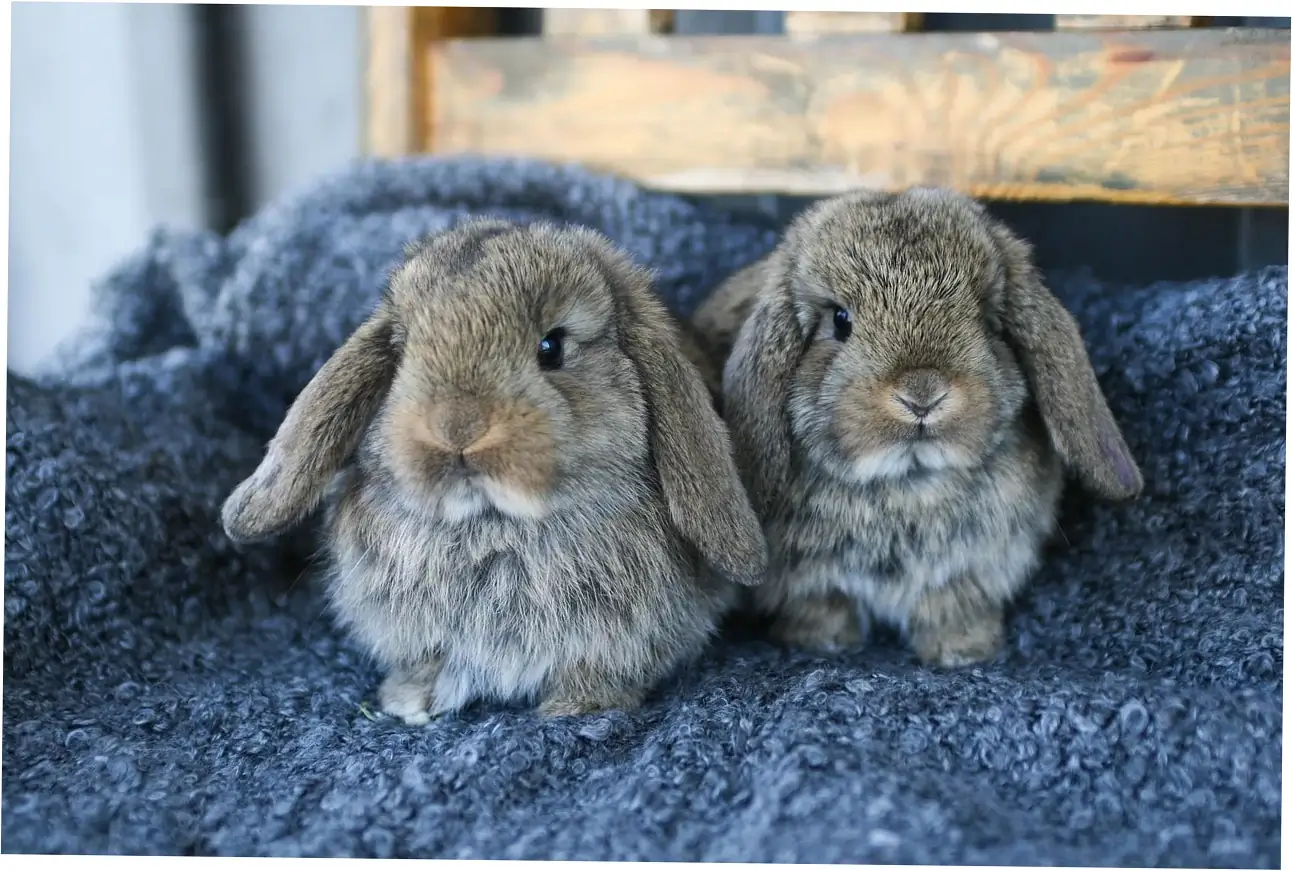
Small breeds like Netherland Dwarfs, Polish, and Holland Lops usually live the longest – about 10-14 years when cared for properly. Their small size means less strain on their hearts and joints, plus their metabolism helps keep them healthy longer.
These little guys need regular dental checkups because their flat faces make them prone to teeth problems that can affect eating and health if not treated.
Medium and giant breeds like French Lops, Californians, and New Zealands usually live 5-10 years and need careful weight control to avoid joint and metabolism problems.
Bigger rabbits need roomy spaces to move around, which keeps their muscles strong and stops weight-related health issues. Giant breeds really do better with soft bedding and ramps to ease pressure on their large bodies, helping them stay mobile as they age.
| Breed Type | Average Lifespan | Key Health Considerations |
|---|---|---|
| Dwarf Breeds | 10-14 years | Dental issues, fragile bones |
| Medium Breeds | 8-12 years | Weight management, social needs |
| Giant Breeds | 5-8 years | Joint health, heart conditions |

Essential Care for Maximum Longevity
Nutritional Requirements Throughout Life Stages
What your rabbit eats changes a lot as it grows up, and this really affects how long pet rabbits last. Young bunnies under seven months need alfalfa pellets to grow properly, but adult rabbits should switch to timothy hay to avoid getting overweight.
Senior rabbits (6 years) often need modified pellet formulations with joint supplements and increased fiber to combat age-related digestive slowdown. No matter their age.
rabbits should get unlimited grass hay making up most of their diet – about 80% – which keeps their teeth worn down and their gut moving.
A lot of owners accidentally cut their rabbit’s life short by feeding too many pellets, not enough hay, or giving the wrong kinds of treats. You should only give fruits and starchy veggies in small amounts – just one or two tablespoons per day – to avoid tummy troubles and tooth issues. The Rabbit Welfare Association says half of early rabbit deaths come from bad diets, showing just how important proper food is for helping your pet rabbit live as long as possible.
Housing and Environmental Considerations
Rabbits require at least 32 square feet of space total for both exercise and living to stay physically fit and mentally sharp. When rabbits are kept in small spaces, they can lose muscle and bone strength.
plus develop behavior problems that hurt both their quality of life and how long they live. Multi-level cages with ramps get rabbits moving naturally and give them different spots for sleeping, eating, and using the bathroom.
Good flooring that isn’t slippery stops leg and hip injuries that could make a rabbit lose its mobility too early.
Keeping your rabbit’s mind active really helps its physical health and lifespan by reducing stress and encouraging movement. Switching up toys, adding digging boxes.
and using puzzle feeders stops rabbits from overgrooming or chewing things up out of boredom. Research in the Journal of Exotic Pet Medicine showed rabbits in enriched environments lived 18% longer than those with little stimulation, proving how much mental health affects how long pet rabbits last.
Health problems that affect how long pet rabbits last
Conditions you can prevent and catch early
Let’s talk about rabbit teeth – they never stop growing, so your bunny needs to chew lots of hay to wear them down naturally, and sometimes they need trimming if their teeth don’t align right If you don’t take care of their teeth.
they can develop painful spikes, get infections, and stop eating, which makes them go downhill fast Check their teeth every week for uneven wear, watch for drooling or eating less – this helps you spot problems before they get serious Rabbit dentists say to get their teeth checked once a year while they’re sedated, so the vet can really see those back teeth where trouble often starts without you noticing.
Now about GI stasis – this is super dangerous and one of the main reasons rabbits die too soon, it happens when their digestive system slows way down or stops working To prevent it, give them unlimited hay.
make sure they exercise every day, and keep them calm and stress-free If you see them pooping less, sitting all hunched up, or grinding their teeth, get them to the vet right away Vets who know rabbits say if you treat them within 12 hours of symptoms starting, 85 out of 100 bunnies make it, but wait more than 24 hours and only 20 out of 100 survive.
Health issues that come with age
Older rabbits often get arthritis, which makes it hard for them to move around and enjoy life You can help by giving them comfy bedding, using ramps so they don’t have to jump.
and adding joint supplements like glucosamine to ease their pain Gently massage them regularly and make sure they get some light exercise – this keeps blood flowing and muscles strong around their sore joints For rabbits over 7.
anti-inflammatory meds from your vet and even treatments like acupuncture work really well for their arthritis.
Keep an eye on their organs too – once rabbits hit 6 years, they need blood tests twice a year to catch early kidney, liver, or heart problems that often come with getting older Small changes in how much they drink.
how they pee, or their energy levels can tip you off to health issues before they turn serious If you catch age-related problems early and adjust their diet, give medication, or change their environment, you can often add extra years to your rabbit’s life.
| Life Stage | Recommended Checkups | Key Health Screenings |
|---|---|---|
| Juvenile (0-1 year) | Quarterly | Dental alignment, growth rate |
| Adult (1-6 years) | Biannual | Weight, dental health, organ function |
| Senior (6 years) | Quarterly | Arthritis, organ function, mobility |
How your rabbit acts can tell you about their health and aging
Normal changes as rabbits get older
Rabbit activity levels change throughout their lifespan, and knowing what’s normal helps you spot real health issues versus just aging Young rabbits are super energetic and curious.
but adult bunnies settle into routines with good balance between play and rest Older rabbits naturally nap more, explore less, and might even show signs of bunny dementia like other animals But if your rabbit suddenly forgets tricks.
gets confused in familiar spots, or has big personality changes, that could mean health problems needing a vet visit.
Rabbits are very social animals, and how they interact changes as they age Bonded bunny pairs usually stay close their whole lives – grooming each other and cuddling up shows they’re happily bonded If they suddenly fight.
avoid each other, or interact less, that might mean one’s sick or in pain Be careful introducing new friends to older rabbits – senior bunnies often don’t want new buddies, and the stress can actually shorten their remaining lifespan.
Warning signs that mean you should call the vet
Some behavior changes mean call the vet right away, don’t wait and see Watch for sudden hiding, tooth grinding (that means pain), circling, head tilting, or pushing their head against walls If they stop grooming and get matted fur.
especially in tricky spots, that often means they’re having trouble moving or are in pain Litter box accidents when they were previously trained could mean urinary problems, arthritis making it hard to position right, or even bunny dementia.
Watching what they eat and drink is crucial because rabbits need to keep eating to stay healthy – appetite changes are big red flags If they refuse favorite treats, eat less hay, or drink differently.
get them to the vet that same day You can check for dehydration by gently pinching the skin on their neck – if it stays tented, they need fluids fast Many rabbit owners keep notes about their pet’s normal habits.
which helps spot small changes faster – catching health issues early can really help your rabbit’s lifespan.

Help your bunny live longer and enjoy their golden years
When your rabbit gets older, you’ll need to change up their care routine
Environmental adaptations: As rabbits enter their senior years (typically 6 ), their living space requires modifications to maintain quality of life. Get litter boxes with low sides, comfy bedding.
and use ramps instead of making them jump Make sure their food, water, and favorite spots are easy to reach so they don’t waste energy Older bunnies often love heated pads in winter because arthritis makes it hard for them to stay warm These changes help your older rabbit stay independent even as their body ages.
You’ll also need to adjust their diet as they age to handle changing metabolism and dental problems Try softer hay, chop up their veggies, and soak their pellets if they have tooth issues Glucosamine supplements help their joints.
and extra fiber keeps their digestion moving Keep an eye on their weight to adjust food amounts – older rabbits can get fat from being less active or thin from poor nutrient absorption Most older bunnies do better with several small meals instead of two big ones each day.
Checking how your rabbit is doing
It’s important to objectively check your rabbit’s quality of life, especially when making tough care decisions There’s something called the HHHHHMM scale that looks at pain, hunger, hydration, cleanliness.
happiness, movement, and whether they have more good days than bad Score each area from 1 to 10 every week to track if they’re getting better or worse Vets usually say scores under 35 mean poor quality of life.
and you should talk about what’s kindest for your bunny This method helps you make clear decisions based on your rabbit’s wellbeing, not just emotions.
For bunnies with ongoing health issues, comfort care can help manage symptoms and keep them comfortable Pain meds from your vet, helping them move around.
and special foods can give you more quality time with your older rabbit Work with a vet who knows rabbits to create a comfort plan that handles age issues and regularly checks if your bunny still has more good days than bad.
| Quality Area | Positive Signs | Concerning Signs |
|---|---|---|
| Mobility | Moving independently to key areas | Dragging limbs, unable to rise |
| Comfort | Relaxed posture, normal breathing | Hunched, grinding teeth, trembling |
| Engagement | Responding to familiar routines | No reaction to favorite activities |
Knowing what affects how long pet rabbits live helps you give them the best care for a long life Everything from choosing the right breed to senior care affects whether your rabbit hits that 8-12 year lifespan or even longer Regular vet care, good food, and watching their health closely gives you more quality years with your bunny.
Share your own rabbit care tips below, or check out our guide on feeding older bunnies to help yours enjoy their golden years.
FAQ About how long do pet rabbits last
What is the average lifespan of an indoor pet rabbit?
If you keep your pet rabbit indoors with good care, they’ll usually live 8 to 12 years. That’s way longer than outdoor rabbits because they’re safe from predators, bad weather, and other stressful things.
Small rabbits like Netherland Dwarfs often make it to 10-14 years, but the big guys usually only live 5-8 years. To help your indoor rabbit live as long as possible, you’ll want regular vet visits, good food, and plenty of things to keep their mind active.
What factors most impact how long rabbits live?
How long rabbits live really depends on a few key things: their genes, what they eat, vet care, and where they live. Getting your rabbit fixed adds 2-3 years to their life since it cuts down their cancer risk.
Feeding them right with unlimited hay stops tooth and tummy problems that often make rabbits die younger. Keeping rabbits inside saves them from really hot or cold weather and animals that might hurt them.
When you take your rabbit to the vet regularly, they catch health problems early when they’re easier to fix.
Do different rabbit breeds have different lifespans?
Yeah, the type of rabbit you have really affects how long they’ll live. The tiny dwarf breeds usually live the longest – about 10-14 years. Medium-sized rabbits typically get 8-12 years.
Big rabbits like Flemish Giants don’t live as long, just 5-8 years, because their hearts and joints work harder. Mixed breed bunnies often get what’s called hybrid vigor, which can help them outlive purebred rabbits.
How can I help my rabbit live longer?
To help your rabbit live longer, give them plenty of timothy hay, yearly vet checkups, a good home with room to move, and get them fixed. Keep their minds busy with toys and hanging out with you – this lowers stress that can make them sick.
Keep an eye on their weight and teeth, and if you notice changes, deal with them right away. Older rabbits do better with some home adjustments, joint helpers, and more vet visits to catch age problems early.