How long do lionhead rabbits typically live?
Thinking of getting a fluffy lionhead rabbit, or maybe you’ve already got one bouncing about at home? For new or soon-to-be owners, one big, important question always comes up: how long do they live? Knowing how long a lionhead bunny typically lives is key. It helps you give them the proper long-term care and commitment these adorable pets need. You’ll often hear 7 to 10 years, but that’s not a promise. It’s more of a good guess based on what we know. How long your lionhead rabbit lives really depends on a mix of things. Their genes, what they eat, where they live, and the vet care they get all play a huge part. I’ve owned and loved lionheads for more than ten years. From my experience, with the right care, these sweet bunnies can hit that 10-year mark or even live longer, bringing joy to your home for ages.
Table of Content
Factors Influencing Lionhead Rabbit Lifespan
Genetics and Breed-Specific Considerations
Core Influence: Your lionhead rabbit’s genes basically lay the groundwork for how long it might live. Getting your bunny from a responsible breeder is super important. Good breeders really focus on health, good temperament, and strong genes.
They make sure to avoid inbreeding, because that can pass down problems to the babies, like teeth that don’t line up right or heart trouble. Lionheads are usually a tough little breed, but that famous fluffy mane of theirs needs regular brushing.
If you don’t, it can get all matted and cause skin issues. When you’re getting your rabbit, it’s a smart move to ask about the mom and dad’s health history. My first lionhead was named Thistle.
Her breeder gave me a full health report on her parents. I’m pretty sure that strong start in life is why she stayed so healthy, even when she got old.

The Pillars of Diet and Nutrition
Nutritional Foundation: What you feed your lionhead rabbit is probably the biggest thing you can do to help it live a long life. Feeding them the wrong stuff is a top reason for health problems you could avoid, and it can really cut their life short.
The most important part of their diet is hay—lots of it, and good stuff like timothy or orchard grass. That hay gives them the fiber they need to keep their guts moving and their teeth worn down. You should give them fresh leafy greens every day.
As for those store-bought pellets, only give a little bit, and measure it out. Things like fruit or carrots are treats, so go easy on them. Just a little bit now and then.
If you suddenly start feeding them a lot of carbs and not enough fiber, it can cause GI stasis. That’s when their gut slows down or stops, and it’s really serious—it can even be deadly. I found this out the hard way with Thistle.
I gave her too many banana slices once, and her digestion got really slow. It was scary! It was a clear reminder that even good foods can be too much of a good thing.
Essential Care for a Long and Healthy Life
Housing, Exercise, and Environmental Enrichment
Keeping your rabbit cooped up is a real lifespan killer. Lionhead rabbits are super active and curious. They really need lots of room to move every day. Aim for at least 4 hours where they can roam freely in a safe, bunny-proofed space.
Don’t stick them in a tiny cage. Their home should be a big pen or enclosure where they can fully hop, stretch, and stand up tall. Keeping their minds busy is just as important as their bodies, and it really affects their overall health.
Give them fun stuff like tunnels, cardboard hideouts, safe wood to chew on, and puzzle toys to keep their brains ticking. A bored or stressed-out bunny is way more likely to get sick or even depressed.
Setting up a fun and changing space lets them act on their natural instincts to forage and explore. This keeps them both happy and in good shape.
Grooming and Preventative Health Checks
Now, about that gorgeous lionhead mane—it’s a bit of a mixed blessing. It looks amazing, but you’ve got to groom it regularly to avoid some serious health risks. The main thing is brushing.
Give your lionhead a good brush 2-3 times a week, and bump that up to every day when they’re shedding a lot. If you don’t, mats can form right against their skin. That can cause painful sores and even attract dangerous flies.
Along with brushing, get into the habit of doing a quick weekly health check. Just gently look over their eyes, ears, nose, teeth, nails, and their belly. Weigh them once a month on a kitchen scale.
Often, losing weight is the very first clue that something’s wrong. Catching things early—like teeth getting too long, mites, or weird lumps—makes treatment much more likely to work.
And it’s absolutely essential to team up with a vet who knows rabbits for a yearly check-up. It’s the best preventative care you can give.
Let’s talk about common health problems and how they affect a lionhead rabbit’s lifespan.
Two big health challenges for lionheads are dental and tummy troubles.
The main threats? Diet and genes cause two of their biggest health issues. Their teeth might not wear down right, a condition called malocclusion. This can cause painful spikes, abscesses, and make it hard for them to eat.
Then there’s GI stasis, where their gut slows or stops. It’s a real emergency, often caused by diet, pain, or stress. If you don’t deal with these quickly, they can really cut your rabbit’s life short.
It’s super important to spot the signs. Look for fewer poops, low energy, teeth grinding, or drooling. If you see these, get to the vet right away. The best way to prevent both problems? Feed lots of hay. Chewing it wears down their teeth, and the fiber keeps their digestion going.

Other common health issues to watch for.
You also need to keep an eye out for other common sicknesses, not just teeth and gut problems. Respiratory infections, or snuffles, often show up as sneezing and a runny nose. These need antibiotics from the vet.
They can also get urinary tract problems or bladder sludge, especially if they don’t drink enough water. Older rabbits might get arthritis. They’ll need pain relief and some changes to their living space to make things easier.
Here’s a quick table that sums up the main health worries, what to look for, and how to prevent them.
| Health Issue | Common Signs | Preventative Actions |
|---|---|---|
| Dental Disease | Drooling, weight loss, reduced appetite | Unlimited hay diet, annual vet dental checks |
| GI Stasis | Small/no fecal pellets, lethargy, hunched posture | High-fiber diet, minimize stress, prompt vet care for underlying pain |
| Respiratory Infection | Sneezing, nasal/eye discharge, labored breathing | Clean, draft-free environment, reduce dust from bedding |
| Urinary Problems | Straining to urinate, bloody urine, reduced output | Fresh water always, limit high-calcium greens, encourage movement |
A practical guide to helping your lionhead rabbit live a long life.

How to make a care plan focused on a long lifespan.
To help your lionhead live longer, you need a solid, all-around care plan you stick to. This means pulling together everything we’ve talked about into daily, weekly, and monthly habits.
Every day, give them fresh hay and water, some greens, and spend some time with them. Each week, give them a good brush, clean their home, and do a quick health check.
Once a month, weigh them properly and check their area for anything that could be dangerous. A yearly vet check is a must, even if your bunny seems fine. Vets can spot early warning signs you might miss.
Jotting down their weight, what they eat, and how they act in a simple log helps you notice changes and talk to your vet better.

Things to think about when caring for an older rabbit.
As your lionhead gets older—usually around 5 or 6—you’ll need to adapt how you care for them. You might have to change their food if they gain or lose too much weight.
Give them softer bedding if their joints hurt, and make sure their food and water are easy to reach. Older bunnies get sick more easily, so you need to be even more watchful with their health checks.
They might not move around as much, but gently encouraging them to stay active is still key for their blood flow and muscles. Keeping them extra warm and comfy becomes really important.
Looking after a senior rabbit is so rewarding. It shows the strong bond you share and the great life you’ve given them.
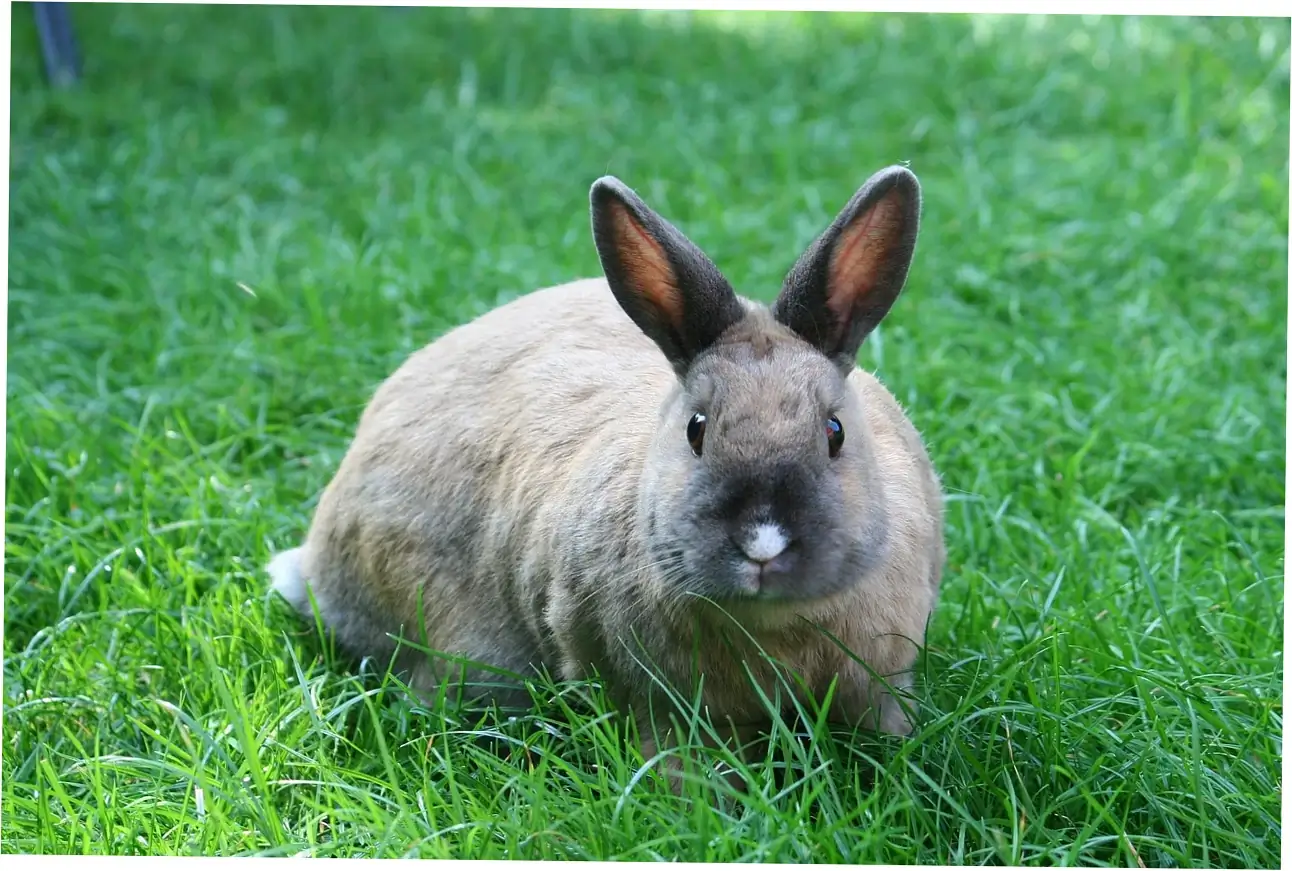
Let’s talk about how long lionhead rabbits live, and compare them to other breeds.
First, let’s look at their average lifespan in context.
So, what’s a realistic expectation? You’ll often hear 7 to 10 years for a well-cared-for lionhead. But it’s good to keep that number in perspective with rabbit ownership in general.
Some bunnies might pass away sooner because of hidden health problems they’re born with. On the other hand, with really great care and some good luck, others can make it to 12 years or even longer.
This lifespan range is pretty similar to other dwarf and small rabbit breeds. The table here gives you a quick comparison. Just remember, these are just averages. How long an individual rabbit lives can vary a lot, depending on the care it gets.
| Breed Type or Size | Typical Average Lifespan | Key Things That Affect It |
|---|---|---|
| Dwarf Breeds (like Lionheads, Netherland Dwarfs) | 7-10 years | Their genes, teeth health, and how good their diet is. |
| Small to Medium Breeds (like Mini Rex, Dutch) | 8-12 years | Overall care, getting enough exercise, and regular vet check-ups. |
| Giant Breeds (like Flemish Giants) | 5-8 years | Joint problems from their size, and needing a special diet. |
Now, what about stories of really old lionheads?
Looking beyond the average, you’ll hear stories in rabbit owner groups about lionheads living into their early teens. In almost every one of these cases, the owners were super careful about food, living space, and worked closely with their vet.
For example, there was a report of a lionhead in the UK that lived to be 14. These super-long lives aren’t the most common, sure. But they show what’s possible for a lionhead rabbit’s lifespan when everything is just right.
It really drives home the point: that 7-10 year average isn’t a limit. It’s more like a starting point. With dedicated care, you can help your pet live longer.
So, to wrap it up, asking how long do lionhead rabbits live? doesn’t have one simple number for an answer. The real answer lies in how well you care for them. Aiming for 7 to 10 years is totally doable.
You get there by sticking to the basics: great food, a big and fun home, regular brushing, and staying ahead of health issues with the vet. When you know what health problems to watch for and stick to a good care routine.
you become the biggest reason your fluffy friend gets to live a long, happy, and active life. Having a lionhead rabbit is a long-term partnership. It’s filled with their one-of-a-kind personality and tons of love.
Want your lionhead rabbit to live a long, healthy life? Let’s make sure it thrives for years!
Got tips or questions about caring for your lionhead? Drop them in the comments! Or, check out our full guide on creating the perfect home for your bunny. It’s packed with info to help boost your lionhead rabbit’s lifespan and overall happiness.
Frequently Asked Questions (FAQ)
What is the average lifespan of an indoor vs. outdoor lionhead rabbit?
If you keep your lionhead rabbit indoors, it’ll usually live a lot longer. They often hit that full 7 to 10 year lifespan, sometimes even more. Outdoor rabbits, though, deal with a bunch of dangers.
Things like really hot or cold weather, predators, bugs, and just being more stressed out. All that can really cut their life short, sometimes down to just 2 to 4 years.
So, one of the best things you can do for your lionhead rabbit’s lifespan is to keep it inside as a house pet. A safe, comfy home with steady temperatures makes a huge difference.
Does neutering or spaying affect a lionhead rabbit’s lifespan?
Absolutely! Getting your rabbit fixed—that’s spaying for girls and neutering for boys—really helps them live longer. This is especially true for the females. Spaying gets rid of the big risk of uterine cancer.
Believe it or not, up to 80% of unspayed female rabbits can get it once they’re past 4 years old. Fixing them also calms down those hormone-fueled habits, like being grumpy or marking their territory.
Life gets less stressful for them, and it’s way easier for them to become buddies with you or another rabbit. All that adds up to a happier, healthier bunny.
What are the most common signs of aging in a senior lionhead rabbit?
So, what does an older lionhead rabbit look like? You might notice they’re not as playful or active. They sleep more, their weight might change, and their fur can get a bit rough or thin.
They might get stiff joints (that’s arthritis), making it harder to hop around, and their eyes can look a little cloudy. As they age, they might need different food, and they can become more sensitive to really hot or cold days.
It’s a good idea to take your senior bunny to the vet more often—like every six months. This helps you stay on top of any age-related issues before they become big problems.
Can a lionhead rabbit’s lifespan be predicted by its size or mane type?
Not really, no. Genetics do matter, of course. But whether your lionhead ends up on the smaller or bigger side for the breed, or if it has a single or a super fluffy double mane, those things don’t really tell you how long it’s going to live.
What matters way more for your lionhead rabbit’s lifespan is the care you give it throughout its whole life. Think about it: a petite, single-maned bunny with a great diet and a cozy home will probably live longer than a big, fluffy double-maned one that’s not fed well or kept in a poor setup.