Which Rabbit Breeds Live the Longest?
Picking a rabbit buddy is a big commitment, and a huge part of that is knowing how long different breeds usually live. Most pet rabbits live 8 to 12 years on average. But that number can change a lot depending on their genes, how big they are, and health issues common to their breed. This guide gets into the specific lifespan of popular rabbit breeds. We’ll look at tiny dwarfs all the way up to the big, gentle giants. It gives future and current owners the info they need to plan for their pet’s long-term care and happiness. So by comparing how long different breeds live, you can make a smart choice that fits what you expect and how you live.
What’s in this guide
The Fundamentals of Rabbit Longevity
Core Factors Influencing Lifespan
So, what decides how long a rabbit lives? It’s not just about the breed. It’s actually a mix of things like their genes, how big they are, and the care they get.
You’ll usually find that smaller breeds, think Netherland Dwarfs, live longer than the big guys like Flemish Giants. A big part of that is because a larger body has to deal with more metabolic and structural stress.
But besides genetics, how you care for them is super important. To help your rabbit reach its full lifespan potential for its breed, you’ve got to nail a few things: a good diet with lots of hay, plenty of space and things to do.
regular vet visits with shots, and keeping their home calm and happy. These are must-haves. Getting them spayed or neutered is a big deal too—it really cuts down the chance of reproductive cancers, which can add more healthy years to their life.
Now, a lot of people get this wrong. They think a rabbit’s lifespan is all down to luck with its genes. But honestly, the stuff you control as an owner—their environment—plays an even bigger role. Take two rabbits from the same breed.
Their lifespans can be totally different, and that mostly comes down to what they eat and where they live. A really common mistake is giving too many pellets and treats.
That can make them obese, which is a huge factor in problems like arthritis and heart disease, and it shortens their life. So, the first step to making sure your bunny lives a full life, right for its breed, is realizing that your daily choices are in the driver’s seat for their health.
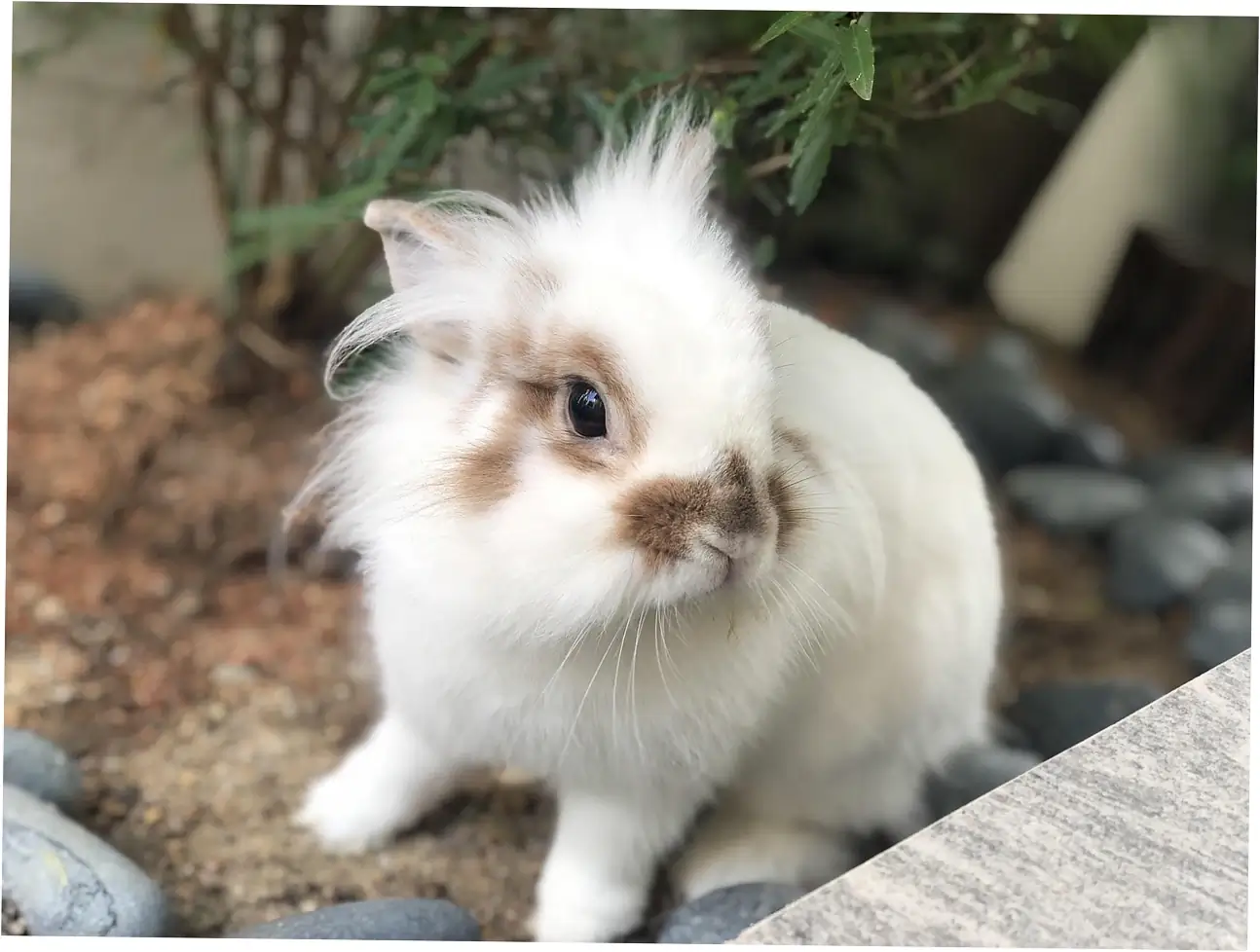
Let’s talk about how long small and dwarf rabbit breeds live.
First up, the popular little guys.
Take Netherland Dwarfs and Polish rabbits. They’re tiny and full of spirit. They often top the charts for lifespan, with many living 10 to 12 years. Some even go longer than that! Their small size actually helps them stay tough.
But here’s the thing: because they’re so popular, some breeders irresponsibly aim for super tiny sizes. This can cause dental problems, like malocclusion, because their skulls get too short.
So it’s super important to pick a good breeder who cares more about health than just making them super small. If you take good care of them, especially by keeping an eye on their teeth and feeding them a diet that makes them chew, these little bunnies can be your pals for a long time.
Then you’ve got Holland Lops and Mini Rex rabbits. Everyone loves their floppy ears and soft fur. These small breeds usually live between 7 and 12 years.
For Holland Lops, those cute floppy ears need regular check-ups to keep them clean and infection-free. Mini Rex rabbits are pretty hardy, but their velvety coats mean you gotta protect them from really hot or cold weather.
To keep them healthy and help them live a long life, stick to a routine, give them fun things to do so they don’t get bored, and handle them carefully—especially the lops—to avoid hurting their backs.
| Breed | Average Weight | How Long They Usually Live | Health Stuff to Watch For |
|---|---|---|---|
| Netherland Dwarf | 1.1 – 2.5 lbs | 10 – 12 years | Watch their teeth (malocclusion) |
| Holland Lop | 2 – 4 lbs | 7 – 12 years | Ear infections, be careful with their spine |
| Mini Rex | 3 – 4.5 lbs | 7 – 10 years | Sensitive to temperature |
| Polish | 2.5 – 3.5 lbs | 8 – 12 years | Same concerns as other dwarf breeds |
Now, let’s talk about how long medium and large breed rabbits usually live.
We’re looking at the middleweights and the gentle giants of the rabbit world.
Take Dutch and Mini Lop rabbits, for example. They’re classic medium-sized breeds. You can typically expect them to be around for a good 8 to 12 years. They kind of hit a sweet spot.
They’ve got some of the sturdiness of bigger bunnies but often enjoy the longer lifespan of smaller breeds. Caring for them mainly means keeping an eye on their weight to avoid obesity.
You also need to give them plenty of room to run and play, which keeps their joints healthy. Brushing them regularly is super important, especially when they’re shedding.
This stops them from swallowing too much fur and getting hairballs, which is a big deal for their digestion. If you want your medium-haired bunny to live a long, full life, keeping up with grooming is a key part of the job.
Then you have the big guys, like Flemish Giants and French Lops. They’re majestic, but their average lifespan is shorter, usually about 5 to 8 years. Because they’re so big, they’re more likely to have problems like arthritis.
heart issues, and sore hocks (which is when the bottoms of their feet get sore). You really have to stay on top of their care. That means giving them super soft flooring to rest on, using ramps so they don’t have to jump too much.
and watching their diet closely. For babies, you don’t want them growing too fast, and for adults, you need to prevent obesity. Taking them to the vet for check-ups more often helps catch any age-related problems early.
Even though you might not have as many years with them, they leave a huge impression. Looking after them properly takes real dedication and knowing what you’re doing.
| Breed | Average Weight | Typical Lifespan | Main Care Focus |
|---|---|---|---|
| Dutch Rabbit | 4 – 5.5 lbs | 8 – 12 years | Watch their weight, make sure they exercise |
| Mini Lop | 4.5 – 6 lbs | 8 – 12 years | Keep their teeth healthy, regular brushing |
| Flemish Giant | 13 lbs | 5 – 8 years | Support their joints, control their diet |
| French Lop | 10 lbs | 5 – 7 years | Soft flooring, watch for sore feet |
Want your rabbit to live a long, healthy life? It really depends on the breed’s lifespan.
Here are some practical care tips you can start using right away.
Let’s talk food first. Getting your rabbit’s diet right is the biggest key to a long lifespan, no matter the breed. They need tons of good grass hay, like Timothy or Orchard. This should make up most of what they eat.
It keeps their teeth worn down and their digestion moving. Throw in some fresh leafy greens for nutrients. Go easy on the pellets, though—just give a little bit. And watch out for treats like fruit.
They’re loaded with sugar, so only give them once in a while. I found this out with my first bunny, Thumper. I cut back on pellets and upped his hay. Guess what? He got way more energetic, and his constant tummy troubles cleared up. It really shows how food is like medicine.
Next up, their home and health check-ups. A big, safe space isn’t just nice to have—it’s a must for keeping your rabbit happy and healthy, which helps their breed’s potential lifespan. They’ve got to have room to run around, jump, and just be rabbits.
Taking them to the vet every year for a check-up and shots, especially for nasty diseases like RHDV2, is super important for their long-term health. Getting them fixed is a huge deal for their health.
For girl rabbits, it pretty much wipes out the risk of uterine cancer. For boys, it calms them down a lot. Think of it as a must-do investment for a longer, healthier life for your bunny.
Case Studies in Lifespan Achievement
Real-World Longevity Examples
Let’s look at a real example, a Netherland Dwarf rabbit named Pip. A rabbit rescue documented his case study. Pip lived to be 14, which is really old for a rabbit! His owner credits Pip’s long life to a few key things.
First, a strict diet with hay as the main food. Second, a multi-level pen that let him move around easily for exercise. And third, getting his teeth filed by a vet twice a year because of a genetic dental issue.
This story shows the payoff of good care. The extra money spent on special vet visits likely gave Pip an extra 3 to 4 years of good life. That’s way beyond the average lifespan for his breed. For his owner, that was absolutely priceless.
Now, take giant breeds like the Flemish Giant. They face different challenges. A vet journal study pointed this out. The study tracked a bunch of Flemish Giants.
It found that rabbits who got special comfy bedding and a diet to manage their weight from a young age were 30% less likely to get bad arthritis by the time they hit 5 years old. That’s compared to other rabbits who didn’t get that care.
So, what does this tell us? Sure, genetics play a big part in a rabbit’s lifespan. But what an owner does can really change the game. It can make a huge difference in their health path, even for breeds that aren’t expected to live as long.

Conclusion and Call to Action
So, how long your rabbit lives really comes down to two things: its breed’s genetics and how well you take care of it every day.
Sure, dwarf bunnies tend to live longer, but even a giant rabbit can have a full and happy life if you give it great care, hitting its typical lifespan.
Being a good rabbit owner means making smart choices, from picking the right breed all the way to looking after them in their old age. Now that you know about different breed lifespans and what they need, you’re all set to be a fantastic rabbit parent.
Want to learn more about making the perfect home for your bunny to live a long life? Tell us your rabbit’s breed and how old they are in the comments! Then, check out our detailed guide Rabbit-Proofing Your Home for a 10-Year Adventure to get started on the right foot.
FAQ About rabbit lifespan by breed
So, which rabbit breed tends to live the longest?
Well, it depends on the rabbit’s own health, of course. But generally, the smaller breeds are the ones that can live the longest. We’re talking about Netherland Dwarfs, Polish rabbits, and some small mixed breeds.
With really good care, they can often hit 10 to 12 years old, sometimes even more. That’s because being small is just easier on their bodies in the long run.
Okay, what about gender? Do boy or girl rabbits live longer?
Honestly, there’s no solid proof that just being male or female makes a big difference. But here’s the thing: rabbits that are spayed or neutered usually outlive the ones who aren’t. Why?
The surgery gets rid of the high chance of reproductive cancers—super important for females—and it also calms them down, cutting back on stress.
So, how do you help your bunny live a nice, long life?
It’s all about staying ahead of problems. Give them unlimited hay to eat, a big, safe place to live, take them to the vet every year for a check-up and shots, and get them spayed or neutered. Also, keep their stress low.
Make sure they get to hang out with you and have fun stuff to do every day. That’s super important for their happiness and health.
I’ve heard bigger rabbits don’t live as long. Is that true?
Yeah, that’s usually the case. The giant guys, like Flemish Giants and French Lops, often live around 5 to 8 years on average. Smaller breeds, though, tend to stick around longer. Their bigger size just makes them more likely to get things like arthritis or heart trouble earlier in life.