Are Tomatoes Safe for Rabbit Consumption?
Lots of rabbit owners think about adding new foods to their bunny’s meals, and tomatoes often come up as a question. Tomatoes are a kitchen staple for us, but you gotta think carefully before giving them to your rabbit. So, let’s get into the details of feeding tomatoes to rabbits. We’ll cover safety, any good stuff in them, and important things to watch out for. We’ll look at what parts of the tomato are safe, how much to give, and the possible risks. That way, your bunny can have a fun, healthy diet with no problems.
Table of Content
Let’s look at tomatoes from a rabbit’s point of view.
So, what’s actually in a tomato for rabbits?
Basically, tomatoes give rabbits some water and a few vitamins. You’ll find Vitamin C, vitamin K, potassium, folate, and antioxidants like lycopene in there. But for rabbits, all that stuff isn’t as important as their main food: hay.
Tomatoes have lots of water and sugar, so they’re really low in fiber, which is super important for a rabbit’s digestion. Dr. Susan Brown, a renowned exotic animal veterinarian, notes, While not toxic.
tomatoes should be viewed as a treat, not a dietary staple, due to their imbalanced nutrient ratio for herbivores.
Here’s the key thing to remember: tomatoes can’t take the place of their main food. Too much sugar, even the natural kind in tomatoes, can mess up their gut bacteria. Here’s a quick table showing what’s in tomatoes that matters for rabbits:
| Nutrient | Amount | Note for Rabbits |
|---|---|---|
| Water | ~94g | High hydration, low nutritional density |
| Sugars | ~2.6g | Can cause digestive upset in large quantities |
| Fiber | ~1.2g | Very low compared to hay (25-30g/100g) |
| Vitamin C | ~14 mg | Beneficial, but rabbits synthesize their own |
Figuring out which parts are safe and which aren’t
This is super important: only the ripe, red part of the tomato is safe for rabbits, and even then, just a little bit. Everything else on the tomato plant is toxic.
The leaves, stems, flowers, and green tomatoes have nasty stuff called solanine and tomatine, which are poisons for rabbits. If a rabbit eats them, it could get an upset stomach, become really tired, or even have serious nerve problems.
To keep your bunny safe, always wash tomatoes really well to get rid of any chemicals. Buying organic is a good idea too, for your pet’s health and the planet.
Before you give any to your rabbit, make sure you carefully cut off all the stem and any green bits. A smart move is to cut out the core, double-check for any green, and then chop the red part into tiny pieces so your bunny won’t choke.
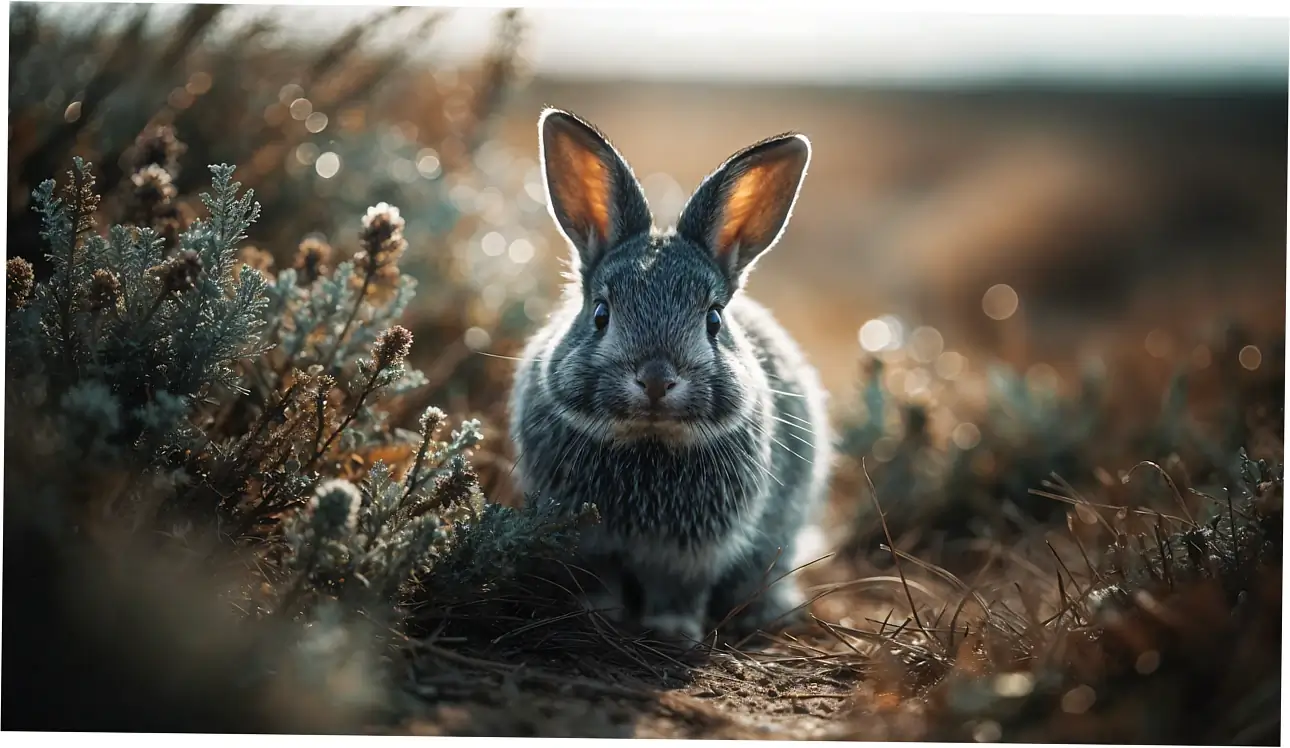
Here’s how to feed tomatoes to your bunny.
Let’s talk about how much and how often.
The key is moderation. A good rule for a regular-sized bunny is just a tiny bit, like half a cherry tomato or a small cube from a bigger one. You can give this little treat once or twice a week.
That small amount lets them enjoy the flavor without overloading their sensitive tummy with sugar. Remember, treats like tomatoes should make up less than 5% of what they eat all week. The other 95%? That’s their main food: lots and lots of hay, some pellets, and their daily greens.
Getting tomatoes ready safely.
To prepare them safely, you really need to wash them well and take out the core. Pick fresh, red, and fully ripe tomatoes. Give them a good rinse under cool water and a gentle scrub to get any dirt off.
Then, cut out the stem area and any white or green bits inside. Chop up the nice red part into little pieces. Stick to fresh only. Never give your rabbit canned, cooked, or stewed tomatoes. Those often have added salt, sugar, onions, or garlic, which are bad for bunnies.
Here’s a good tip: mix that little tomato piece right in with their usual greens. This makes the treat more fun and helps balance out the sugar with all the good fiber from the greens.
And always, always have plenty of fresh hay and water available, especially when you give a treat. This keeps their digestion moving and them well-hydrated.
Potential Health Risks and Warning Signs
Digestive Upset and Sugar Concerns
So, what’s the biggest risk if you give your rabbit too many tomatoes? It’s digestive stasis. Tomatoes have a lot of sugar and not much fiber. This can really mess up the good bacteria in your bunny’s gut.
making their digestion slow way down or even stop completely. This is super painful for them and can even be deadly if you don’t get them to a vet right away. Watch out for signs like fewer or no poops, not wanting to eat, sitting all hunched up, or just seeming really tired and sluggish.
Another thing to think about is the acidity. Even though it’s usually mild, some bunnies with sensitive tummies might get mouth sores or feel uncomfortable, especially if they eat tomatoes too often.
It’s really important to keep an eye on how your rabbit eats whenever you give them something new. If you see them pawing at their mouth or turning their nose up at their hay, stop the tomatoes and give your vet a call.
Toxicity of Plant Parts
Here’s the absolute rule: you must avoid the green parts of the tomato plant at all costs. They’re really toxic. If a rabbit gets solanine poisoning, they might drool a lot, have diarrhea, act weak or confused, and their pupils might look really big.
If you even *think* your bunny nibbled on a leaf, stem, or a green tomato, don’t wait—call an emergency vet right now. Don’t hang around waiting to see if symptoms show up. Part of making your home safe for a rabbit means keeping all plants, both indoor and outdoor, well out of their reach.
To prevent any accidents, if you grow tomatoes yourself, make sure your rabbit’s play space is totally separate from the garden. And when you buy tomatoes from the store that still have stems, take those stems off in another room, away from your pet.
That way, if a leaf falls off, they can’t get to it by accident. It’s a simple step that makes a big difference in keeping your bunny safe.
Let’s see how tomatoes stack up against other fruits that are safe for rabbits.
First, let’s look at the nutrition and sugar in these treats.
To figure out where tomatoes fit in, it helps to compare them with other fruits you can give your bunny now and then. Most fruits are pretty sugary, but a few pack a bit more fiber. Take blueberries and raspberries, for example.
Per serving, they’ve got more fiber and antioxidants than the fleshy part of a tomato. But the golden rule is the same for all: watch the sugar. Here’s a quick table to help you plan out your bunny’s treat schedule.
| Fruit | Sugar Level | Fiber Level | How Often to Feed |
|---|---|---|---|
| Tomato (just the red part) | Medium | Very Low | Once or twice a week is plenty. |
| Blueberry | Medium to High | Medium | Just one or two berries a week. |
| Apple (make sure to remove the seeds!) | High | Medium | A thin slice once a week. |
| Strawberry (take the green top off first) | Medium | Medium | A quarter of a berry per week is enough. |
How to mix up your bunny’s treats for a balanced diet.
Here’s a good strategy: don’t just stick to one treat. Mix it up each week with tiny bits of different safe fruits and veggies. This way, your rabbit gets a wider mix of good plant nutrients.
It also stops them from getting hooked on sweet stuff and ignoring their all-important hay. For example, you could give a blueberry on Monday, a basil leaf on Wednesday, and a little cube of tomato on Friday. Just remember: keep the amounts tiny and spread them out.
The experts at the House Rabbit Society, a top bunny care group, put it well: think of treats as little extras, not the main meal. The real foundation for a healthy rabbit is always unlimited grass hay.
Sticking to this rule makes sure any treat—tomatoes included—is just a small part of a diet that keeps their digestion running smoothly and their weight in check for life.
Let’s hear what the experts and fellow rabbit owners have to say.
First up, here’s what vets recommend about feeding your bunny.
Vets who specialize in exotic pets mostly agree: the red part of a tomato should only be a very occasional treat. Dr. Jeffrey Jenkins points out that educating owners is key. He says the ripe tomato flesh isn’t the real danger if you do it right.
The real risks come from common slip-ups, like giving too much or accidentally letting them get the poisonous bits. Knowing what you’re doing can stop a trip to the emergency vet. Vets always stress this: hay should be the main event. It keeps their teeth filed down and their tummies happy.
Here’s the science-backed advice: studies show a rabbit’s gut is built for a diet that’s packed with fiber but low in sugar and starch. So, even when you give them healthy people food, you need to think like a rabbit, not a person. You have to understand how their special bodies work.
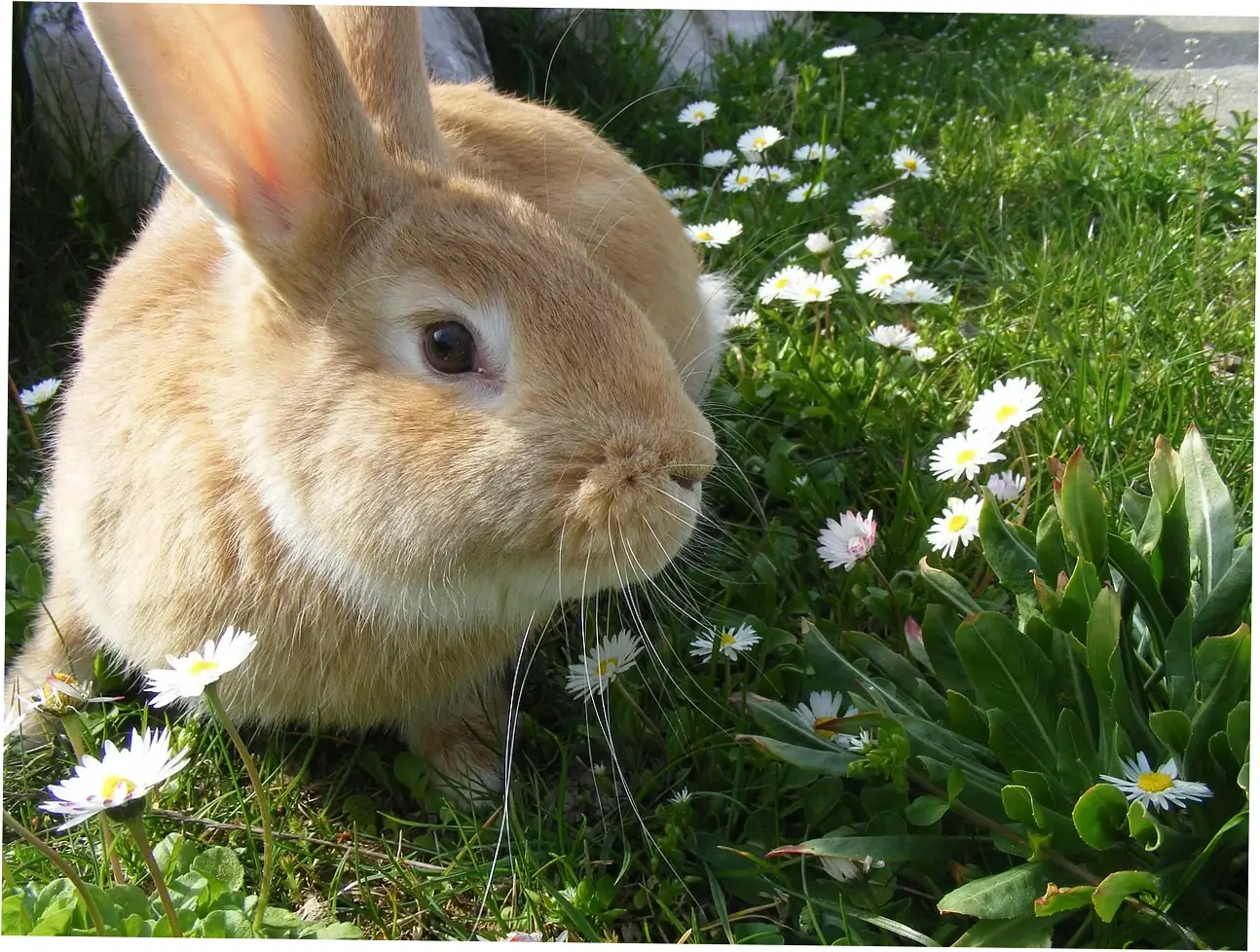
Now for some real-life stories and lessons from rabbit owners.
You can learn a lot from other rabbit parents. Their stories really drive the rules home. Take Sarah, for example. She says, My rabbit Thumper was crazy for cherry tomatoes. One time, I wasn’t careful and left the stem attached.
He grabbed it in a flash! Luckily, I got it back from him. But it sure scared me, and now I always prep his food in a separate room. Stories like this show just how watchful you need to be in everyday life.
On the bright side, some owners have great results using a tiny, tiny bit of tomato as a super special reward for training or giving medicine. The common thread?
Be super careful when preparing it, give only a speck, and keep a close eye on your bunny. It proves that if you stick to the rules, a little tomato now and then can be a safe and fun treat.
So, to wrap it up: yes, rabbits can have the ripe red part of a tomato. But only a tiny bit, and only once in a great while. Unlimited grass hay has got to be the foundation of their diet, no exceptions.
You must completely avoid the leaves, stems, and any green parts—they’re poisonous. To pull this off safely, you need to prep it carefully, serve a crumb-sized piece, and watch your rabbit’s health like a hawk.
If you always put their special digestive needs first, you can safely add some variety, like a juicy tomato treat now and then, without risking their health.
Want to learn more about the perfect diet for your bunny? Tell us about your own experience trying new treats in the comments! Or, click here to check out our detailed guide on Safe Leafy Greens for Rabbits. It’ll help you learn more and keep your pet happy and healthy.
Got questions about feeding tomatoes to your bunny? Here’s the lowdown.
So, can rabbits munch on cherry tomatoes?
Yep, they can! But there’s a catch—only the ripe, red part is safe for them. You gotta follow the same rules: toss the stems and any green bits, give it a good wash, and only offer a tiny bit—like half a cherry tomato—once or twice a week. Think of it as a special snack, not everyday food.
What about the leaves? Are tomato leaves bad for rabbits?
Oh, absolutely. The leaves, stems, and flowers all have nasty stuff in them—toxic things called glycoalkaloids, like solanine and tomatine. These are really harmful to bunnies.
If your rabbit eats them, it can lead to serious tummy troubles and even mess with their nervous system. So, make sure your pet never gets near these parts.
Okay, so how much tomato is okay for my rabbit?
For a regular-sized bunny, a safe amount is roughly a teaspoon of chopped-up ripe red tomato. Don’t give it more than once or twice a week. Start super slow—try a piece as small as a pea first. Keep an eye out for any bad reactions, like runny poop.
How can I tell if my rabbit got sick from a tomato plant?
Watch for signs like tummy trouble—they might not want to eat, have diarrhea, or look bloated. They could also seem super tired, weak, or drool a lot. In really bad cases, they might shake or seem confused. If you spot any of these signs, get your bunny to the vet right away.