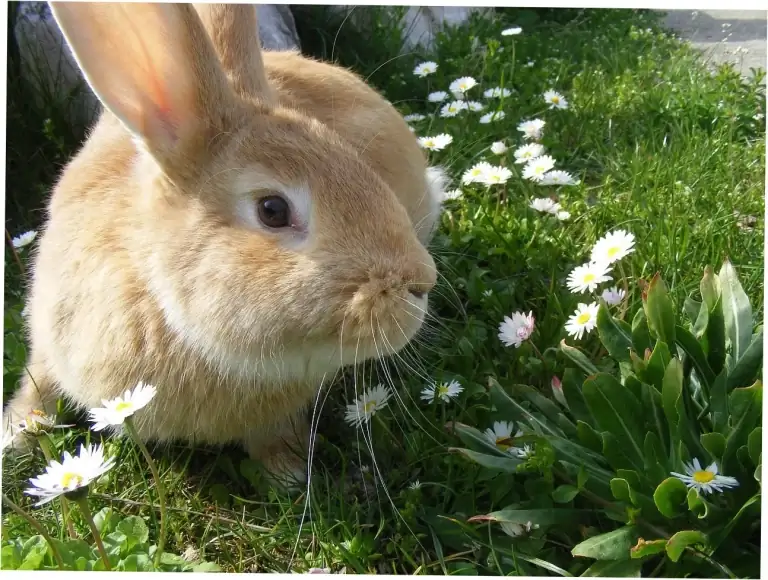
What’s the secret to a rabbit’s long, healthy life?
We all want our fluffy bunnies to live long, healthy lives. Helping your rabbit live a long, healthy life isn’t about a single magic trick. It’s a full commitment. You need to understand their special needs as prey animals and create a home that keeps them both physically and mentally happy. Everything matters for their long-term health. That means the hay they eat every day, how safe their home is, and spotting the quiet signs of sickness they might hide. This guide will show you the key parts of rabbit care. We’ll use vet science and tips from other rabbit owners. The goal is to help you be the best partner for your bunny, so they can enjoy a lively, long life.
Here’s what we’ll cover:
- 1. Lifelong Rabbit Health: The Right Food
- 2. Making a Safe and Fun Home
- 3. Vet Visits and Keeping an Eye on Their Health
- 4. Grooming and Cleanliness for a Happy Bunny
- 5. Understanding Bunny Behavior and Bonding
- 6. Special Care for Older Rabbits
- 7. FAQ: Your Questions on Keeping a Rabbit Healthy Longer
Feeding your rabbit right is the key to keeping them healthy for life.
Let’s start with the basics: unlimited hay and the right pellets.
Here’s the number one rule: give them unlimited grass hay. Fresh, good-quality hay like Timothy, Orchard, or Meadow hay is absolutely crucial. It keeps their digestion running smoothly and wears down their constantly growing teeth.
Rabbits are built to graze almost all the time. All that fiber in the hay keeps their gut moving, which stops serious problems like GI stasis. Groups like the House Rabbit Society say hay should make up most of their diet, around 80 to 90 percent.
Chewing hay also naturally files down their teeth, so they don’t get painful dental issues. Always make sure the hay smells sweet and isn’t dusty or moldy. Put it in a few spots to get them foraging like they would in the wild.
Next up are pellets. Hay is the main food, but a small, measured amount of high-fiber pellets gives them a nutrient boost. Pick plain pellets based on Timothy hay.
Skip the colorful mixes with seeds and dried fruit—those are just full of sugar and fat. For a typical adult rabbit, over 7 months old, a good rule is about a quarter cup of pellets for every five pounds they weigh each day.
If you give too many pellets, they can get fat and stop eating enough hay, which messes up their whole diet. Always have fresh, clean water ready for them with their pellets. Use a heavy bowl and a bottle to make sure they drink enough.
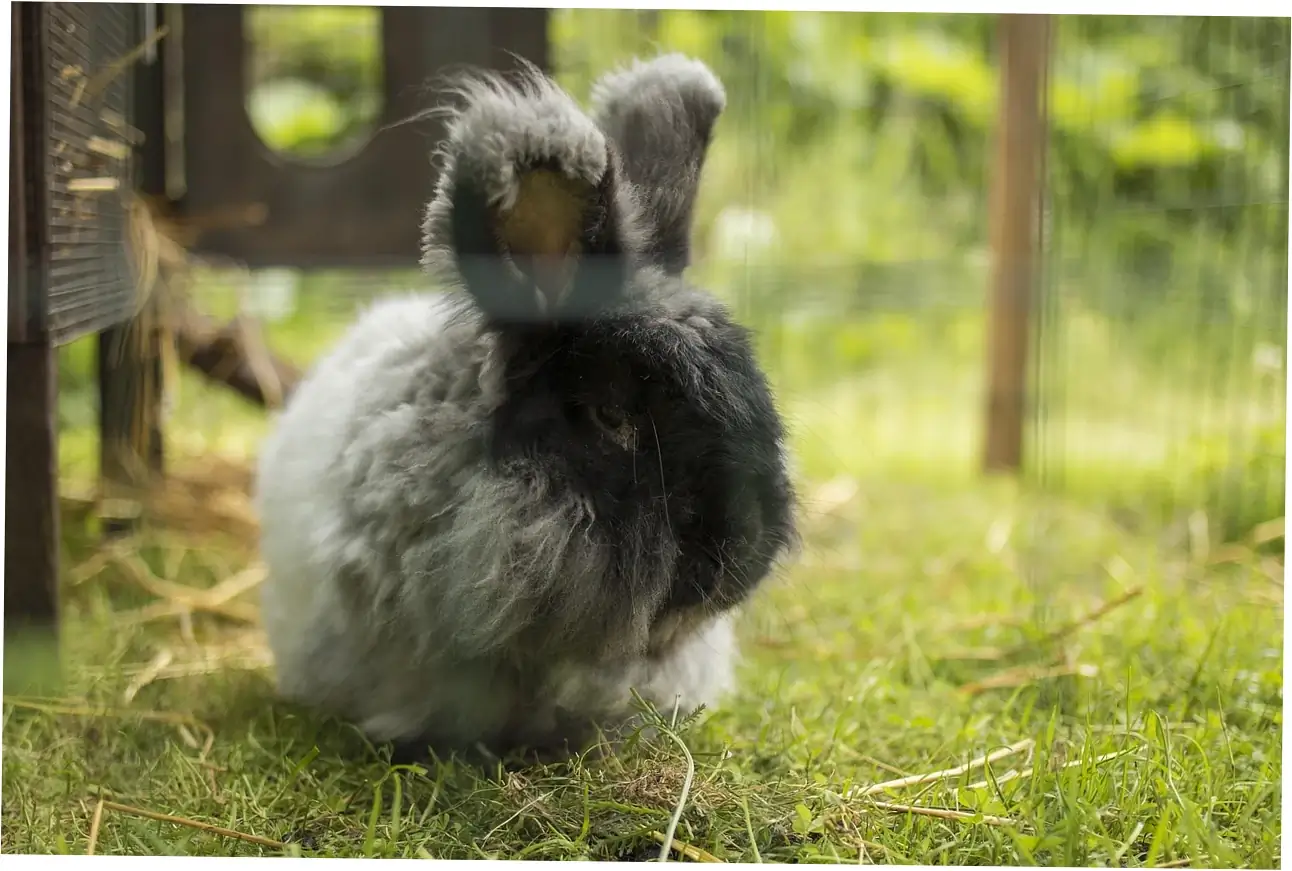
Now, about fresh veggies and treats to avoid.
Here’s a good practice: add fresh veggies slowly. A daily salad of leafy greens gives them important vitamins and keeps things interesting. Start with just a little bit of one thing, like romaine lettuce or cilantro, to see how they handle it.
Don’t bother with iceberg lettuce—it doesn’t have much nutrition. A handy rule is roughly one cup of packed greens for every two pounds your rabbit weighs. Take your time adding new veggies, like bell peppers or basil. Spread it out over a few weeks.
Very important warning: lots of everyday foods are bad for rabbits. You need to know what to avoid. Never give them onions, garlic, beans, peas, rhubarb, chocolate, or pretty much any human snacks.
Think of fruits like apple or banana as high-sugar treats. Just a tiny piece, about a teaspoon’s worth, once or twice a week is plenty. Sticking to a list of safe foods is the best way to avoid a scary trip to the vet.
| Greens for Every Day | Treats for Once in a While (Just a Little) | Foods to Always Avoid |
|---|---|---|
| Things like romaine lettuce, spring greens, cilantro, basil, and bok choy are great daily greens. | For a treat, try carrot tops (not the orange part), a couple of blueberries, or an apple slice with no seeds. | Never feed them avocado, onions, garlic, chocolate, yogurt drops, beans, or corn. |
Let’s talk about making a home that’s both safe and fun for your bunny.
First up, you need a big enough space and to make your home bunny-safe.
Here’s the main thing: your rabbit needs lots of secure space. They’ve got to have room to run, jump, and just be a rabbit. A tiny cage is really bad for them, both for their body and their mood.
Rabbit experts say you need at least an exercise pen or a big, multi-level setup. That should give them 8 square feet minimum. On top of that, they need daily playtime in a room you’ve made safe for them. Make sure the floor is solid, not wire. Wire floors can hurt their feet and cause sore hocks.
Next crucial step: bunny-proof everything. Do this before you let them roam free, to keep both your stuff and your bunny safe. Wrap up all those cords with plastic tubing or covers. If they chew a live wire, it could kill them.
You’ll also want to block off baseboards and furniture legs. And keep any poisonous plants far out of reach. Give them lots of good stuff to chew instead, like applewood sticks, willow balls, or plain cardboard boxes. This gives their chewing habit a proper outlet and saves your trim.
Now, let’s keep their minds happy and active.
The key here is to fight boredom by switching up their toys. A bored bunny might start wrecking things or even get sad. Keeping their brain busy is a big part of helping them live a long, healthy life.
Set up a fun space with toys that let them act naturally. Try stuffing a cardboard tube with hay and hiding pellets inside for them to forage. Give them plain wicker baskets to tear apart.
Or use a puzzle feeder to hide treats. Swap out the toys every week or so to keep things fresh and exciting for them.
One more super important thing: they need friends. Rabbits are super social animals. The perfect buddy for a rabbit is actually another rabbit, as long as they’re both fixed.
A happy pair of bunnies will keep each other company, groom each other, and play together. This cuts down their stress a ton. If you can’t get a second rabbit, then you’ll need to be their main pal.
That means getting down on the floor with them for a few hours every day. A lonely rabbit can actually get sick from the stress.

Proactive Veterinary Care and Health Monitoring
Preventive Care and Vaccinations
Core Habit – Make it a habit to book regular check-ups for your bunny, don’t just wait until there’s an emergency. You need to find a vet who really knows rabbits or exotic pets and get yearly check-ups on the calendar.
even if your rabbit looks perfectly fine. These vet visits are great for keeping an eye on their weight, checking their teeth, and catching any little problems early on. Getting your rabbit spayed or neutered is super important.
It’s not just about stopping babies. It slashes the risk of reproductive cancers, which is a huge deal for female bunnies—over 80% of unspayed ones over four can get it. It also helps cut down on aggressive, territorial behavior.
Core Protection – Keeping up with vaccinations is key protection. Which shots they need depends on where you live. In lots of places, vaccinating against Rabbit Hemorrhagic Disease Virus, or RHDV, is a must.
That disease spreads super easily and is usually deadly. In areas where it’s common, the Myxomatosis vaccine is absolutely critical too. Just chat with your vet to figure out the right vaccination schedule for your local risks.
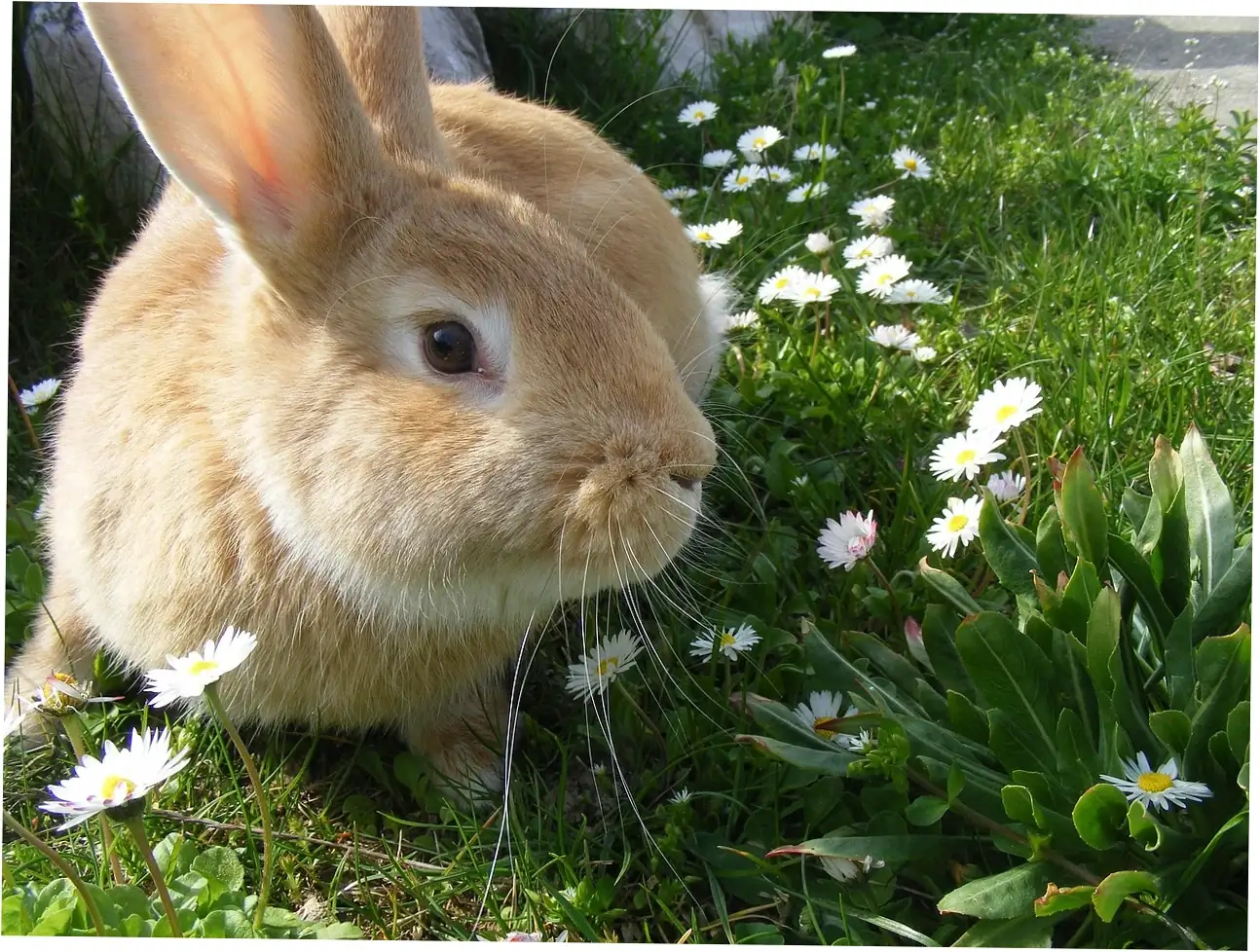
Recognizing Subtle Signs of Illness
Core Skill – Here’s a core skill: keep an eye on what goes in and comes out every day. Rabbits are experts at hiding when they feel sick. The best daily health check you can do is to watch what they eat and drink, and check their poop.
If they suddenly stop munching on hay, don’t poop at all, or their droppings get tiny and weirdly shaped, that’s often the first clue of GI stasis. That’s a serious medical emergency. Get a kitchen scale and weigh them once a week.
If they’re slowly losing weight, it can point to a long-term problem way before you notice anything else wrong.
Core Alert – You’ve gotta know the big red flags that mean an emergency vet trip right now. Watch for these: if they completely stop eating for half a day, don’t poop at all, breathe really hard, tilt their head.
can’t move, or show pain by grinding their teeth or sitting all hunched up. Being a responsible rabbit owner means you absolutely must have the number for an emergency exotic vet saved and ready to go.
| What to Check | Normal Sign | Warning Sign |
|---|---|---|
| Appetite for Hay | Constant grazing, hay pile dwindles | Ignoring hay, selective eating |
| Fecal Output | Large quantity of round, firm droppings | Small, stringy, or no droppings |
| Activity Level | Periods of running (binkies), exploring | Lethargy, sitting hunched |
| Water Consumption | Steady use of water bowl/bottle | Sudden increase or decrease |
Want your bunny to live a long, healthy life? Good grooming and hygiene are key.
Let’s talk about regular brushing and nail care.
Make brushing a core routine, especially when they’re shedding. Brushing often gets rid of loose fur. If your rabbit swallows too much while cleaning itself, it can form dangerous hairballs in its tummy, called trichobezoars.
And here’s the thing: rabbits can’t throw up like cats can. So when they’re shedding a lot, you should brush them every day. A slicker brush or a grooming glove works great. If you have a long-haired bunny, like an Angora, you’ll need to groom them daily all year to stop painful mats from forming.
Another core task is trimming their nails every 4 to 6 weeks. Nails that get too long can curl right into their footpad. This can lead to infections and mess with their posture. Use clippers made for small animals.
Keep some styptic powder nearby too, just in case you nick the quick—that’s the pink part inside the nail with blood vessels. Not sure how to do it? Ask your vet or a groomer to show you. Keeping their nails trimmed has a bonus: it saves your skin during cuddle time!

Now, onto litter training and keeping their home clean.
A clean litter box is a core part of your setup. The good news is, rabbits are naturally tidy and usually pick up litter training pretty easily. Get a large box with low sides. Fill it with a layer of safe bedding, like paper-based or aspen shavings.
Then pile some hay on top. They love to snack on hay while they do their business. Just scoop out the dirty spots every day, and give the whole box a fresh change once a week. Steer clear of clumping cat litter, pine, or cedar shavings. The fumes from those can really bother their sensitive lungs.
Keeping their living area clean is a must-do practice. A tidy home helps prevent a scary condition called flystrike, where flies lay eggs on dirty fur. It also cuts down on ammonia from pee, which can irritate their breathing.
Make a habit of spot-cleaning any messy areas in their space daily. Don’t forget to wash their fabric bedding and soft toys on a regular basis. Make sure their area has good air flow, but keep it draft-free.

Understanding Behavior and Building a Bond
Interpreting Rabbit Body Language
Here’s the key: you gotta learn what your rabbit’s telling you. A bunny that’s happy and healthy acts in certain ways. Take the binky—that’s when they jump and twist in the air. It means they’re over the moon happy.
If you pet them and they make a soft tooth-purring sound, that’s a good sign—they’re loving it. And when they just flop over on their side, they’re completely chilled out and feel safe.
On the flip side, watch out for thumping back legs—that means they’re scared or ticked off. If they freeze up, look tense, and their eyes go wide, they’re stressed. Once you get these signals, you can tweak things around them.
This helps cut down on what scares them and boosts their overall happiness, which is a big part of keeping your rabbit healthy longer.
Building a real bond is all about respect, not forcing it. Remember, rabbits are prey animals. Getting picked up feels like being grabbed by a hawk to them, so most really don’t like it. The best way to connect is to get down on their level—the floor.
Just hang out quietly and let your bunny come to you. You can offer treats right from your hand and give them gentle pets on the forehead. Like Sarah, who has a rescue rabbit, said she spent six months just sitting on the floor reading.
Then, one day, her bunny finally gave her that first little head nudge. All that patience paid off and built a super strong trust between them.

Let’s talk about caring for your older rabbit.
Their care needs to change as they get older.
Core Adjustment – Modify Diet and Environment: As rabbits enter their senior years (typically 5-6 years), their needs may change. If their teeth get bad, you might need to switch to softer hay or special senior pellets.
Arthritis pops up a lot. So, give them super soft bedding, litter boxes they can step into easily, and little ramps to reach their favorite perches. Make sure they can get to their food and water without having to jump.
Next key point: keep a closer eye with your vet. Taking your older rabbit for a check-up twice a year is a great idea. You’ll often see problems like bad teeth, weaker kidneys, and sore joints.
Getting some blood tests done can catch issues with their insides before they even seem sick. If your vet prescribes pain meds for arthritis, it can make your old bunny feel so much better.
| Body System | What Might Happen | How to Help |
|---|---|---|
| Bones Joints | Sore joints, trouble moving around | Use softer bedding, add ramps, maybe try vet-approved joint supplements |
| Teeth | Problems with tooth roots, teeth wearing down unevenly | Get their teeth checked more often, and you can offer chopped-up hay |
| Kidneys Bladder | Drinking more water, maybe some accidents | Put out more water bowls and clean the litter box more often |
Helping your rabbit live a long, healthy life is really rewarding. It all comes down to steady, smart care. The key is making sure they always have hay, a safe and fun home, a good relationship with your vet, and a strong bond with you. There’s no one magic trick. It’s more like all these things working together. When you really try to see the world like a rabbit does, you’re giving them the best shot at a long and happy life.
Want more tips on making the perfect home for your bunny? Drop your best rabbit care tip in the comments! Or, click here for our full guide on bunny-proofing your whole house.

Here are some common questions about keeping your rabbit healthy for a long time.
So, what’s the number one food to keep your bunny healthy long-term?
The top priority is unlimited grass hay. That hay should be the main part of their meals, like 80 to 90 percent. Hay is packed with fiber, which keeps their digestion running smoothly and helps prevent a scary condition called GI stasis.
Plus, chewing on the rough hay grinds down their teeth that never stop growing, so they avoid painful dental problems. Just make sure you pick fresh hay that smells sweet, like Timothy or Orchard grass.
How often does my rabbit need to see the vet for a check-up?
For a healthy adult bunny, plan on a yearly check-up with a vet who really knows rabbits. Once they’re seniors, around 5 or 6 years old, it’s better to go every six months. These vet visits are super important.
They can catch common problems early, like hidden dental issues or changes in their organs, that you might not spot at home. And if you ever notice your rabbit acting sick, don’t wait—get to the vet right away.
Is it okay for a rabbit to live alone, or do they really need a friend?
Rabbits are super social creatures. They’re happiest and healthiest when they have a bonded bunny buddy. A neutered pair keeps each other company, they groom each other, and play together.
This cuts down on stress big time and really boosts their overall wellbeing. If you absolutely can’t get another rabbit, then you’ll need to be their main social life. That means spending several hours every day down on the floor with them, playing and interacting, so they don’t get lonely.
What are the early warning signs that my rabbit isn’t feeling well?
The first clues are usually small changes in their normal habits. Maybe they’re eating less hay, their poops are smaller or fewer, or they’re just not as lively.
If your rabbit stops eating completely or isn’t pooping at all, that’s a major emergency called GI stasis. It’s life-threatening, so you need to get to the vet immediately. Weighing them once a week is a great trick to spot slow weight loss before it becomes a big problem.